
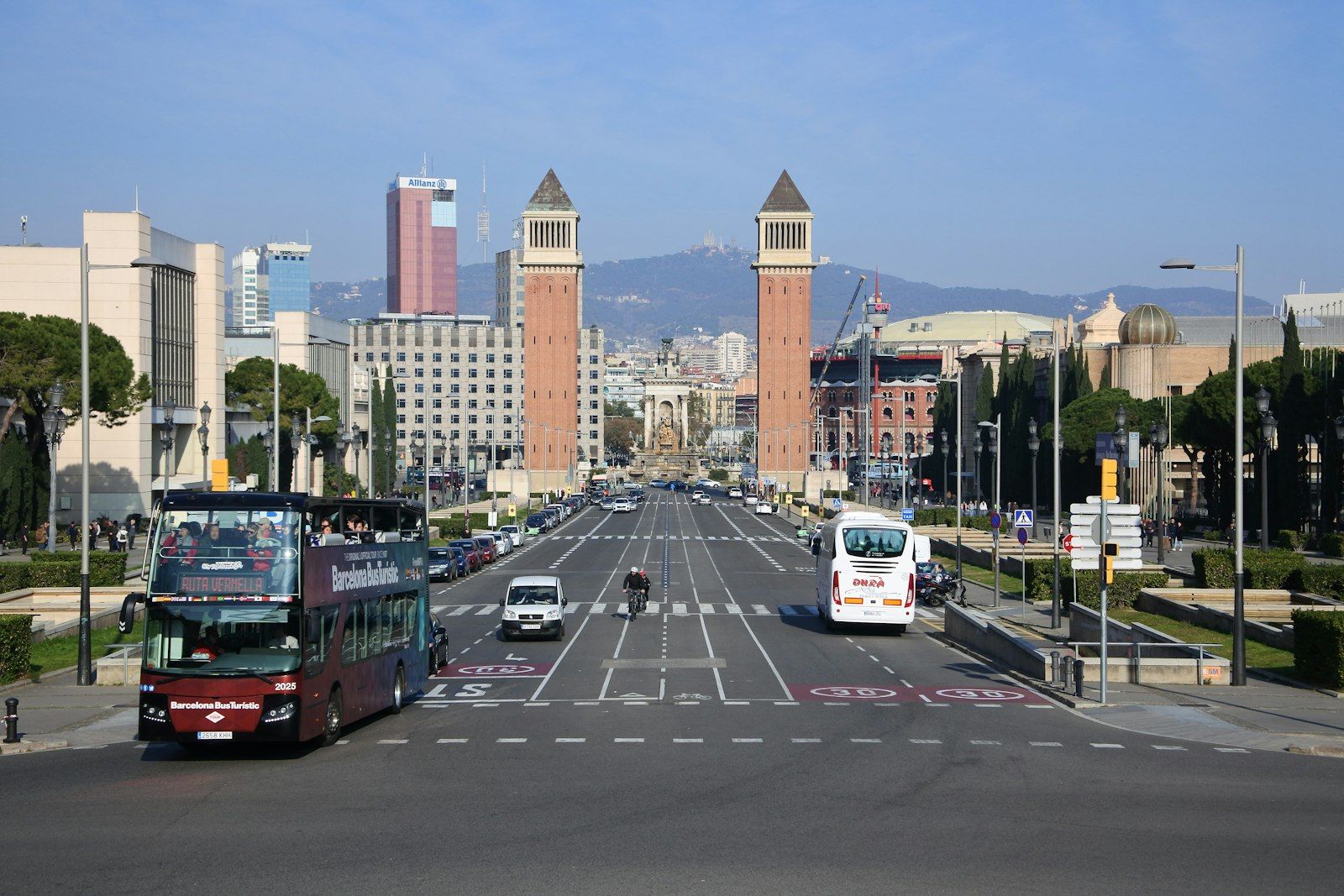
A Barcelona walking tour through the Gothic Quarter and beyond starts in a maze of narrow lanes, weathered stone, and lively plazas, then rolls past Barcelona Cathedral, Plaça de Sant Jaume, and the Roman walls. It works best early, when streets are calmer and the light is golden! Comfortable shoes are a must, and a snack stop for tapas or coffee is a smart move. From El Born to the waterfront, more gems wait just ahead.
Key Highlights
- Start in Barcelona’s Gothic Quarter to explore narrow medieval streets, Roman walls, and landmarks like Barcelona Cathedral and Plaça de Sant Jaume.
- Pause in hidden squares such as Plaça de Sant Felip Neri for quiet courtyards, tapas, coffee, and a break from the crowds.
- Continue into El Born to enjoy lively plazas, artisan shops, and Santa Maria del Mar’s calm Gothic beauty.
- Extend the walk to Port Vell for waterfront promenades, harbor views, and especially scenic sunset stops.
- Go in spring or autumn, wear comfortable shoes, start early, and keep valuables secure while exploring.
What a Barcelona Walking Tour Covers
A Barcelona walking tour usually starts by pulling visitors straight into the city’s most iconic corners, where history and street life mingle beautifully. It covers local history, cultural significance, and architectural styles, so the walk feels like a living lesson instead of a lecture. Famous landmarks appear beside quiet streets, hidden gems, and outdoor activities that let walkers roam at their own pace.
Along the way, neighborhood vibes shift fast, from lively plazas to calmer lanes, while art influences and food traditions add extra flavor. Travel tips help with timing, comfortable shoes, and stopping for snacks before the next turn. The best tours leave room for curiosity, because Barcelona rewards anyone willing to wander a little and chase freedom on foot.
Start in the Gothic Quarter
The Gothic Quarter is where a Barcelona walking tour really finds its heartbeat. Its narrow lanes invite free spirits to wander without a rigid plan, tracing Gothic architecture, weathered stone, and echoes of historical significance. Local legends linger in shadowed corners, while hidden gems appear in small squares, artisan shops, and quiet courtyards that reward curiosity.
Guided tours can add neighborhood stories that make the old walls feel alive, but solo explorers get plenty of room to roam. Street art flashes beside ancient facades, and cultural experiences spill from cafés, music, and tiny galleries. For anyone craving freedom, this district delivers a thrilling mix of old soul and new energy—like history decided to dress casually and join the party!
See Barcelona Cathedral and Plaça De Sant Jaume
Barcelona Cathedral rises with a striking façade that makes an immediate impression, especially after wandering the narrow lanes of the Gothic Quarter. Nearby, Plaça de Sant Jaume opens up the scene with layers of history, where old stones and civic life meet in one lively square. Together, these stops give a clear sense of how Barcelona’s medieval heart still beats today!
Barcelona Cathedral Facade
Stone lace and soaring lines make the Barcelona Cathedral facade an easy stop to savor, especially as it rises near Plaça de Sant Jaume with all that Gothic drama on display. From this angle, the cathedral architecture reveals carved pinnacles, pointed arches, and a calm rhythm that feels almost musical. Its historical significance is hard to miss, too; the stone front has watched centuries of civic life unfold, and it still feels like a proud local landmark.
A slow look rewards the curious. Sunlight catches the details, shadows deepen the grooves, and the whole scene invites a free, unhurried pause. Visitors can circle the square, snap a photo, then linger a little longer—because rushing past this facade would be, frankly, a rookie mistake!
Gothic Quarter Architecture
Winding through the Gothic Quarter, the streets seem to tighten and then suddenly open, revealing a district where medieval walls, elegant facades, and tucked-away plazas create one very photogenic maze. Here, Barcelona Cathedral rises with proud Gothic elements, while nearby buildings layer different Architectural styles like a city wearing generations of style at once. It feels free to wander, slow down, and let the stonework steer the route.
- Notice pointed arches and carved windows
- Spot Romanesque leftovers beside later additions
- Pause for shaded corners and quiet echoes
- Look up often; the best details hide overhead
The result is a lively mix of texture, shadow, and vertical lines that makes every turn worth it.
Plaça De Sant Jaume History
From the Gothic Quarter’s narrow lanes, the route opens onto Plaça de Sant Jaume, where the city’s political heart has been beating for centuries. Here, the Plaça significance is impossible to miss: the Catalan government and Barcelona’s city hall face each other in a timeless civic showdown. Historical events have unfolded under these stones, from Roman foundations to protests, parades, and declarations of local identity. For anyone craving freedom, this square feels like a public stage where voices matter and history refuses to stay quiet! Stand in the open center, look up at the façades, and imagine citizens gathering to claim space, rights, and future hopes. It is a compact square, yet it carries a mighty, electric presence.
Walk the Roman Walls and Old City Streets
From the Roman wall remains, the old city begins to feel wonderfully layered, as if every stone still remembers a different century. Narrow medieval street paths wind onward with easy charm, leading to hidden courtyards and small plazas that suddenly open like little surprises. It is an ideal stretch for a curious walker—slow pace, sharp eyes, and maybe a grin at how Barcelona keeps its secrets so well!
Roman Wall Remains
- Pause at surviving towers for a quick photo.
- Follow the wall line to compare old and new.
- Read nearby plaques for context, not confusion.
- Let the rough stone textures spark imagination—no museum hush required!
Medieval Street Paths
As the route slips from the Roman wall line into the medieval street grid, the city starts feeling wonderfully labyrinthine, like it was designed by a playful architect with a love of surprises. Here, medieval history shows up in narrow lanes, worn stone, and corners that bend without warning, inviting a slow, free-spirited wander. Walk with curiosity and let those labyrinthine pathways guide the pace; there is no need to rush, and that is the charm.
A local would suggest following Carrer del Bisbe, then drifting toward quieter side streets where the old city still breathes. Listen for footsteps on stone, spot faded arches, and enjoy the small thrill of getting slightly lost—safely, of course! Every turn reveals a fresh angle on Barcelona’s past, crisp, tactile, and gloriously unruly.
Also read:
- Best Food in Barcelona: A Neighbourhood-by-Neighbourhood Eating Guide
- 9 Day Trips From Barcelona: Complete Guide With Train Times & Prices
- 25+ Top Things to Do in Barcelona, Spain: The Complete Visitor Guide
- Free Things to Do in Barcelona: Guide with Exact Schedules
- Travel to Barcelona on a Budget: How to Visit Without Overspending
- 13 Best Things To Do In Barcelona With Kids
- Best Barcelona Road Trips: Top Routes to Explore
- Best Time To Visit Barcelona
- 7 Best Parks And Gardens In Barcelona
- The Best Neighborhoods In Barcelona to Explore
- 10 Best Beaches In Barcelona
- Spending A Weekend In Barcelona
- Barcelona Travel: How to Get Around Barcelona
- Barcelona Travel Tips: Things to Know Before Traveling to Barcelona
Hidden Courtyards And Plazas
Tucked between the Roman walls and the old city streets, Barcelona’s hidden courtyards and plazas feel like secret rooms left open for anyone curious enough to wander in. These hidden gems reward slow steps, because every corner can open onto a sunlit square, a quiet fountain, or a café terrace humming softly. A local would call them secret spots for freeing the mind, far from the city’s rush, yet still alive with history and everyday life.
- Pause in shaded courtyards for a calm reset.
- Watch locals cross the plazas with easy confidence.
- Notice stone arches, balconies, and worn cobbles.
- Follow narrow turns, and let curiosity lead.
Find Hidden Squares and Quiet Courtyards
Barcelona rewards curious walkers who wander just a little off the main drag, because that is where the city starts whispering its best secrets. In the Gothic Quarter, small squares open like hidden gems, and quiet courtyards offer quiet retreats from the crowd’s restless hum. A local might suggest slipping into Plaça de Sant Felip Neri, where worn stone and soft echoes feel almost cinematic, then drifting toward lesser-known corners near the cathedral, where shade, benches, and old walls invite a slower pace.
These spaces reward unhurried steps and sharp eyes. Look up for carved details, listen for street musicians far away, and let curiosity lead, not the map. The joy is simple: freedom, calm, and a city that reveals itself one secret nook at a time.
Stop for Tapas and Coffee in the Gothic Quarter
After wandering the Gothic Quarter’s narrow lanes, a tapas break at a tucked-away bar can feel like a small victory, with patatas bravas, jamón, and a crisp local drink waiting to recharge the route. Nearby cafés also make an easy stop for coffee and pastries, where a strong cortado and a flaky croissant can turn a quick pause into one of the tour’s best little pleasures. For a walking pace that stays pleasant, these spots give the perfect reset before the next stretch of old stone streets!
Tapas Break Spots
When the walking shoes start to complain, the Gothic Quarter delivers exactly the kind of reward everyone needs: a proper tapas break. A smart stop here keeps the day free and flexible, with narrow streets leading to lively bars where tapas types range from crispy patatas bravas to silky croquettes, plus local favorites that feel wonderfully unpolished. The best spots sit near hidden squares, so the crowd softens and the mood loosens.
- Choose a place with standing room for a quick, easy pause.
- Ask for the house special to catch a local favorite.
- Share plates to sample more without slowing down.
- Sit outside if the street buzz sounds inviting.
Coffee And Pastries
Morning fuel is easy to find in the Gothic Quarter, where tiny cafés hide behind stone arches and suddenly appear with the smell of fresh espresso and warm butter. Local cafes here keep the pace relaxed, perfect for travelers who want freedom to wander before the crowds wake up.
The best pastry shops and artisanal bakeries serve must try pastries shaped by traditional recipes, from flaky ensaimadas to creamy crema catalana tarts. Coffee culture runs strong, so an espresso or cortado pairs nicely with sweet treats and quiet morning rituals. Choose a sunlit table, slow down, and enjoy the neighborhood’s easy rhythm. A good stop for tapas and coffee can turn a simple break into a delicious little adventure!
Cross Into El Born
Crossing into El Born feels like stepping through a stylish little time portal, where narrow medieval streets suddenly open onto lively squares, artisan shops, and café terraces buzzing with energy. In El Born, local culture arrives with an easy swagger, inviting walkers to slow down, wander freely, and catch the neighborhood’s creative pulse.
- Slip into shaded lanes and enjoy the relaxed rhythm.
- Notice balconies, stone facades, and tiny design studios.
- Pause in a square and watch daily life unfold.
- Follow the hum of conversation; it leads naturally onward.
This district rewards curious feet. Every turn feels spontaneous, a little unruly, and wonderfully alive—exactly the kind of freedom-minded detour that makes a Barcelona stroll unforgettable!
Visit Santa Maria Del Mar and Nearby Shops
A few steps deeper into El Born, the walk naturally settles at Santa Maria del Mar, the neighborhood’s great stone cathedral and one of Barcelona’s most graceful Gothic landmarks. Inside Santa Maria, the soaring vaults and clean architectural details feel open, calm, almost defiant in their simplicity. Its historic significance adds weight to every quiet step, and the light alone can make a traveler linger.
Back outside, the freedom continues in nearby local boutiques and artisan shops, where handmade goods, clever design, and small surprises invite easy browsing. These streets offer relaxed cultural experiences without a schedule, just the pleasure of choosing what catches the eye. A few turns can lead to a perfect souvenir, or a tiny treasure nobody planned to find!
Stroll Along Passeig Del Born
Passeig del Born invites an easy stroll past medieval cafés and stylish boutiques, where each doorway seems to carry a bit of old Barcelona charm. As evening settles in, the street glows with a relaxed, lively ambience, and the views make every step feel quietly cinematic. It is the kind of place where a casual wander can turn into a favorite memory, with just enough sparkle to tempt one more lap!
Medieval Cafés And Boutiques
Once the cobblestones of the Gothic Quarter give way to the wider, lively stretch of Passeig del Born, the mood shifts into one of Barcelona’s most charming little time capsules. Here, medieval ambiance mingles with relaxed café terraces and boutique treasures, inviting a slow browse without any hurry at all.
- Sip a cortado beside old stone walls.
- Browse independent shops for local design.
- Watch artisans, books, and jewelry fill tiny displays.
- Pause for a pastry and plan the next wander.
A local friend would suggest lingering, because this lane rewards curiosity. Step inside, glance at handmade details, and let the street do the rest—no map drama required!
Evening Ambience And Views
As daylight softens, the Passeig del Born takes on a warmer, more magnetic glow, and the easy café-browsing mood starts to feel like the opening scene of a lovely evening out. The boulevard invites evening strolls with a relaxed, slightly bohemian rhythm, where glassware clinks, music drifts, and everyone seems to have nowhere urgent to be. For sunset views, it helps to linger near the open squares and watch the facades catch that honey-colored light—Barcelona doing its best impression of a movie set.
A local tip: wander slowly, then pause for a drink or late tapa before the night gathers momentum. The walk feels freeing, unforced, and just a little glamorous. Even the pigeons seem to know they are extras here!
Head to Port Vell and the Waterfront
Port Vell is where Barcelona opens up to the sea, and it makes a brilliant next stop on a walking tour. Here, waterfront attractions line the promenade, blending maritime history with open-air freedom. Travelers can enjoy harbor views, pause for local seafood, and drift through waterfront activities without feeling rushed.
Barcelona’s Port Vell opens the city to the sea, pairing harbor views, waterfront history, and an easy, unhurried stroll.
- Spot cultural landmarks beside the marina
- Take scenic strolls along calm, bright paths
- Save a bench for sunset spots and watch the sky glow
- Let the breeze do the heavy lifting; it is free therapy
The area feels polished yet relaxed, a place to wander with no strict plan. A local friend would call it the city’s easy exhale—simple, scenic, and pleasantly unhurried.
Explore Barceloneta on Foot
Barceloneta begs to be explored on foot, because this old fishing neighborhood rewards slow wandering with salty air, narrow lanes, and plenty of character. Stroll past faded balconies and tiny plazas, where laundry flutters like neighborhood flags and the rhythm feels blissfully unrushed. Travelers chasing freedom can duck into side streets, find beach activities nearby, and follow the scent of grilled seafood without a map—because getting slightly lost here is half the fun!
Small bars serve excellent local cuisine, from crispy fried fish to rustic tapas that vanish fast. Pause at a corner café, watch scooters zip by, and let the district’s easygoing pulse do the planning. Barceloneta is compact, lively, and wonderfully walkable, making every step feel like a miniature escape.
Enjoy Views From the Seafront or Montjuïc
From Barceloneta’s breezy lanes, it’s an easy step toward some of Barcelona’s best open-air views, where the city suddenly feels bigger, brighter, and much more cinematic. Seaside strolls along the promenade give a free, salty thrill: waves sparkle, cyclists glide by, and the skyline opens wide. For a higher perch, Montjuïc vistas reward the climb with sweeping looks over port, rooftops, and the distant hills.
- Follow the waterfront for a relaxed, open path.
- Pause at benches to watch sailboats drift.
- Head up Montjuïc for a grand panorama.
- Bring water and move at an unhurried pace.
Those craving liberty will find it here, with room to breathe, roam, and simply let the city unfold!
Choose the Best Time to Walk Barcelona
When is the best moment to roam Barcelona? For many, the best seasons are spring and autumn, when the city feels airy, bright, and wonderfully alive. Weather considerations matter here: mild temperatures make long walks through the Gothic Quarter, the waterfront, and leafy avenues far more pleasurable, without the heavy bite of summer heat.
Early mornings offer calm streets and softer light, ideal for travelers who crave freedom and open space. Late afternoons also charm, as golden sun warms stone facades and locals drift out for tapas. Summer can still work, but it asks for shade, water, and patience. Winter, meanwhile, is gentle and often underrated—fewer crowds, more room to wander, and a city that feels relaxed, almost conspiratorial, like it is sharing secrets.
Wear Comfortable Shoes and Pack Light
Step lightly and pack smartly, because Barcelona rewards walkers who are ready to roam. In the Gothic Quarter’s narrow lanes, cobblestones can feel charming and unkind at once, so comfortable footwear matters more than style points. A seasoned stroller keeps things simple: breathable shoes, steady soles, and no heavy baggage dragging freedom down.
Barcelona asks for nimble feet, sturdy shoes, and a light bag for wandering the old stone lanes.
- Choose comfortable footwear with grip for slick stone.
- Favor minimalist packing: one small bag, essentials only.
- Leave bulky extras behind; shoulders deserve mercy.
- Keep water, sun protection, and a light layer handy.
That lean setup leaves room for impulse detours, café pauses, and sudden bursts of wonder. Less weight means easier movement, brighter energy, and a better chance of greeting Barcelona with open stride and a grin!
Plan Your Barcelona Walking Route
A smart Barcelona walk starts with a loose plan and a flexible heart! Start in the Gothic Quarter, then drift toward El Born, the waterfront, or Plaça de Catalunya, depending on energy and weather. A smart route keeps famous sights close together, so less time is spent zigzagging and more time is spent soaking up stone alleys, market buzz, and sea air.
Local tips help a lot: begin early to dodge crowds, pause for coffee near hidden plazas, and let side streets surprise the wanderer. Safety precautions matter too, especially in busy zones; keep valuables close, watch for pickpockets, and choose well-lit streets after dark. If feet start protesting, hop on a bus or metro—Barcelona rewards freedom, not stubbornness!
Most Asked Questions
Is the Barcelona Walking Tour Suitable for Children and Seniors?
Yes, the Barcelona walking tour is generally suitable for children and seniors, thanks to its family friendly features and age appropriate activities. The route stays lively but manageable, with plenty of stops, shade, and chances to pause, so nobody feels rushed. Expect cobblestones and a bit of strolling, though—good shoes help! For families craving freedom, it offers flexible pacing, vivid sights, and a relaxed way to explore Barcelona’s charming streets together.
Do I Need a Guide for the Gothic Quarter Walking Tour?
A guide is not strictly necessary for the Gothic Quarter walking tour, but it can unveil richer local history and reveal hidden Gothic architecture you might miss alone. With a knowledgeable local, the lanes feel less like a maze and more like a living story—easy to roam, easy to savor! Independent travelers still enjoy plenty of freedom, yet a guide adds context, color, and a few delightful shortcuts.
Are There Public Restrooms Along the Walking Route?
Yes—public restroom locations are available along the route, though they can be sparse in older lanes. He or she would do well to use cafés, museums, and major plazas, since restroom cleanliness standards tend to vary; a quick check before entering saves surprises. Freedom-minded walkers should slip in, refresh, and roll back out, keeping the city’s winding streets open and easy. A little planning, and the stroll stays blissfully unbroken!
Can I Join the Tour if It Rains?
Yes, the tour can still run in rain, and a little drizzle can even add charm. Bring rain gear, wear comfy shoes, and keep plans flexible; the guide may adjust pace or route for safety and comfort. The tour experience stays lively, with cobblestones shining, plazas glistening, and stories unfolding under umbrellas. If storms turn fierce, a reschedule or cancellation may happen, but light rain usually means go explore anyway!
Is the Walking Tour Accessible for Wheelchairs or Strollers?
Wheelchair access can be partial, and stroller friendly sections may vary, since the Gothic Quarter has narrow streets and uneven paving. Some routes offer wheelchair ramps, but a few historic corners still demand a little detour—freedom with a dash of adventure! A quick check with the tour operator is wise before booking. They can confirm the latest accessibility details, help map the smoothest path, and keep the stroll comfortable for everyone.