
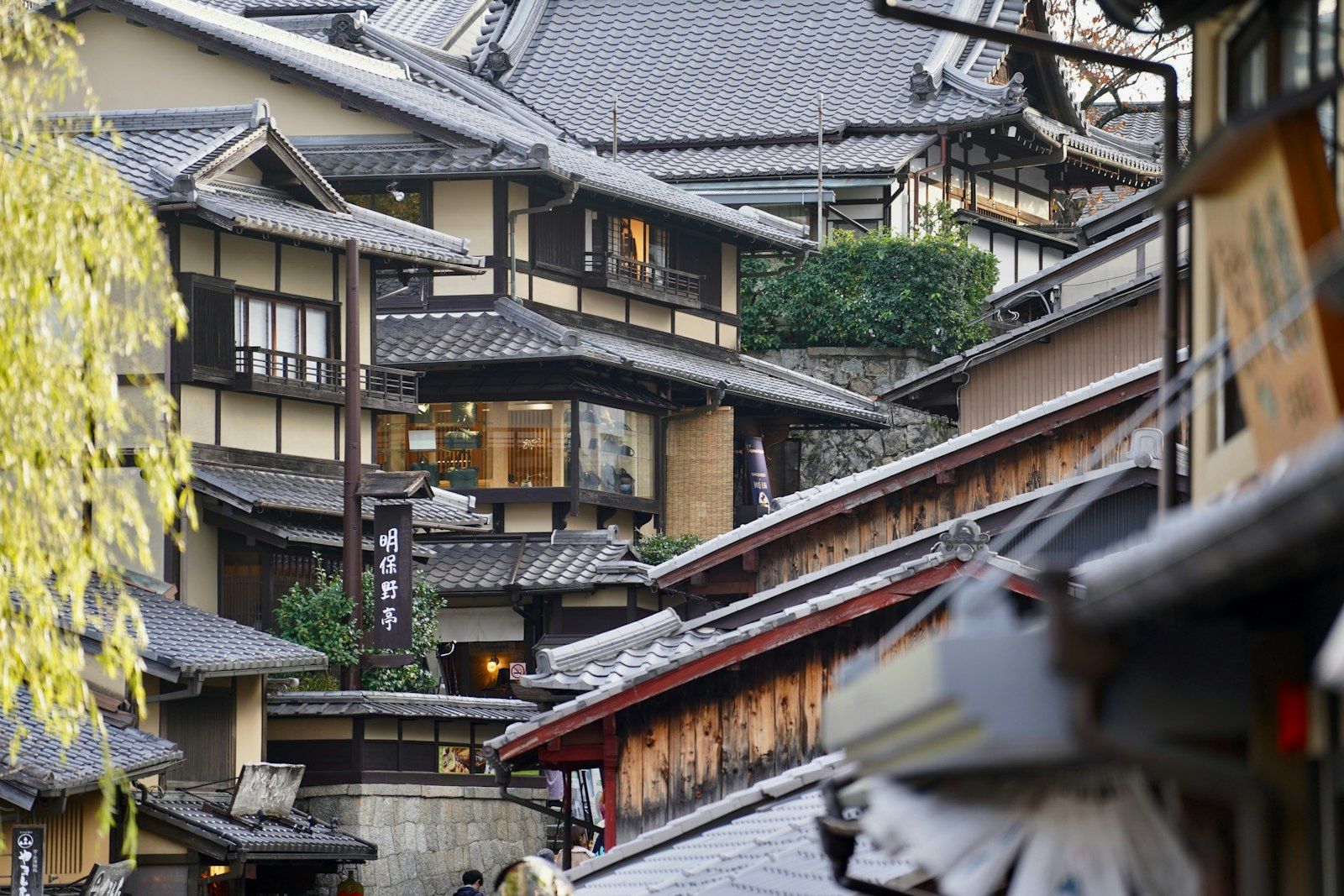
Kyoto’s major attractions usually shine brightest in the morning, when temple paths feel calm, air stays cool, and famous spots like Fushimi Inari, Kiyomizu-dera, and Arashiyama are far less crowded. Evening, though, brings a different magic: lantern glow in Gion, lively izakayas, yatai snacks, and richer colors just before sunset. For the best balance, mornings suit sightseeing and photos, while evenings are perfect for food and atmosphere—and the details ahead make timing each stop much easier.
Key Highlights
- Visit major temples and shrines early morning for cooler air, soft light, and far fewer crowds.
- Choose evening for lantern-lit streets, vibrant food scenes, and a more atmospheric city experience.
- Fushimi Inari and Arashiyama are best at dawn, while Gion feels most lively in early evening.
- Avoid late morning through midafternoon at top attractions, when tourist bottlenecks are usually worst.
- Families usually do better in the morning, while evenings suit dining, festivals, and moodier photography.
Is Kyoto Better in the Morning or Evening?
When does Kyoto truly shine—at sunrise or after dusk? The city rewards either instinct, and a traveler chasing freedom can drift where the mood pulls. Morning serenity opens temple paths, riverside walks, and Scenic views with fewer distractions, making Cultural experiences feel personal and unhurried. It is prime time for crisp air, glowing streets, and excellent Photo opportunities. Early visits to places like Fushimi Inari Taisha let you walk beneath thousands of torii gates in near silence.
Kyoto Morning vs Evening at a Glance
Why choose just one version of Kyoto, when each reveals a different personality? Morning invites freedom through temple bells, cool lanes, and unhurried Morning rituals that frame Cultural experiences with clarity. It suits Historical sites, Scenic viewpoints, Quiet moments, and sharp Photography tips, when soft light flatters wood, stone, and moss.
Evening shifts the city into a looser rhythm. Lantern glow, river air, and Evening strolls open doors to Food adventures, tucked-away bars, and Local insights that daytime can miss. Seasonal festivals often feel especially vivid after sunset, when music drifts and streets shimmer. A flexible traveler can treat morning as Kyoto’s deep breath, then let night become its wink—less meditation cushion, more spontaneous detour. Both versions reward curiosity, and neither asks anyone to stay in one lane for long. Visiting iconic spots like Fushimi Inari Shrine early lets you roam the torii gates in calm, while evenings favor lively streets and illuminated cultural scenes.
How Kyoto Crowds Change Through the Day
How dramatically Kyoto’s crowd patterns can shift in a single day becomes obvious the moment popular districts wake up. Early hours feel loose and unhurried, with temple approaches, station corridors, and old lanes offering room to wander, pause, and choose a direction without friction. By late morning, crowd dynamics tighten fast.
As tour buses arrive and day-trippers pour in, tourist behavior becomes more patterned: queues lengthen, sidewalks slow, and bottlenecks form near famous gates, food stalls, and bus stops. Midafternoon usually brings peak density, when movement turns strategic rather than spontaneous. Then evening reshuffles everything again. Commuters replace some sightseers, restaurant streets buzz, and certain landmarks thin out enough to restore a welcome sense of freedom. In Kyoto, timing is not a detail; it is the key to breathing room. Riding early routes like Bus #100 before 8 AM can significantly reduce crowd pressure at major temples.
When Kyoto Looks Best in Photos
Kyoto often looks its finest when golden hour washes temple roofs, stone lanes, and riverbanks in a warm, flattering glow. Seasonal light also changes the city’s character, from crisp winter clarity to the soft, hazy radiance of spring and the fiery tones of autumn—yes, the camera loves all of it. The most striking shots usually come in those quieter pockets of the day, when famous spots briefly empty out and the scenery gets a rare moment to shine. Autumn’s peak colors in October, highlighted by fiery foliage, offer especially vivid backdrops for photography.
Golden Hour Highlights
Nothing transforms the city quite like golden hour, when Kyoto’s temples, lanes, and riverbanks catch that soft amber glow photographers chase all year. For travelers who like room to roam, this is the easy window: crowds loosen, shadows lengthen, and famous spots suddenly feel less staged. Golden hour photography works especially well along the Kamo River, in Higashiyama’s preserved streets, and beside Yasaka Pagoda, where stone, wood, and sky briefly agree on perfect color.
The best evening light effects appear just before sunset, when low sun skims tiled roofs and lantern-lined alleys. A detached observer would note that Kyoto looks gentler then, yet more cinematic, as reflections sharpen on canals and temple gates glow without trying too hard. It is the city’s most flattering angle—no filter, no fuss, no wrestling tourists. In Gion, Hanami-koji Street takes on a warm lantern glow that perfectly complements the fading daylight.
Seasonal Light Changes
That flattering golden-hour glow shifts noticeably with the seasons, and the camera-friendly version of the city changes right along with it. In spring, Kyoto gets a soft, rosy brightness that flatters cherry blossoms and pale temple walls, while autumn adds coppery contrast and longer shadows that make hillsides look gloriously dramatic.
Summer light arrives earlier, hits harder, and rewards flexible schedules; winter stays low and crisp, sharpening rooflines, gravel gardens, and distant mountains. For travelers who value freedom, seasonal lighting matters because it changes how long scenes stay luminous and how quickly colors fade. Smart photography techniques also shift: a lens hood helps in humid July glare, while winter invites cleaner reflections and richer skies. Kyoto never offers one fixed look—thankfully! It keeps reinventing itself, giving every season its own visual passport stamp. Early spring mornings along the Philosopher’s Path capture this shift perfectly, with soft light filtering through cherry blossoms and reflecting along the canal.
Crowd-Free Photo Moments
When does the city slip into its most photogenic, people-light mood? In Kyoto, that window usually opens just after sunrise, when temple gates creak awake, shop shutters stay down, and lanes like Sannenzaka briefly feel borrowed rather than booked. Evening can work too, especially after dinner, when lanterns glow and tour groups finally surrender to ramen.
For true crowd-free frames, a visitor benefits from simple crowd management and smart photo strategies. Arriving before 7 a.m. at Fushimi Inari or Kiyomizu-dera often delivers mist, soft light, and precious seconds without elbows in the foreground. Later at night, Gion's side streets and Yasaka Pagoda area offer moody shadows, reflective stone, and fewer accidental cameos. Kyoto rewards those who move early, linger briefly, and zigzag away from obvious paths! Walking between locations not only improves timing but also taps into free cultural experiences like quiet shrines and empty garden paths that enhance photo opportunities.
When to Visit Fushimi Inari Shrine
Fushimi Inari Shrine changes dramatically by hour, and that contrast matters. Early morning usually offers the best timing for cooler air, softer light, and quieter paths beneath the torii gates, while evening brings a moodier atmosphere, glowing lanterns, and a more cinematic sense of calm. The choice depends on whether the priority is crisp, crowd-light exploration or a more atmospheric walk that feels almost theatrical. Because of its convenient access from Kyoto, you can pair an early visit with a Nara day trip to make the most of a full day.
Best Morning Timing
For the calmest, most photogenic visit, the sweet spot is usually between 6:30 and 8:00 a.m., before tour groups and late-rising crowds begin flowing through the vermilion gates. At that hour, Fushimi Inari feels wonderfully unclaimed, giving visitors room to wander at their own pace, breathe in morning tranquility, and hear birdsong instead of selfie-stick chatter.
Arriving closer to 6:30 also means cooler air, softer light, and a better chance of witnessing local sunrise rituals near the lower shrine buildings. By 7:15, the paths remain pleasantly open, especially beyond the first torii tunnel, where the freedom to pause, photograph, or climb a little higher feels almost luxurious. It is a simple strategy, but a smart one: start early, move lightly, and let the mountain reveal itself before the city fully wakes.
Evening Atmosphere
Twilight changes the shrine completely. As daylight loosens its grip, Fushimi Inari shifts from a busy checklist stop into a place that feels open, spacious, and quietly liberating. The lower gates still catch visitors, but higher up the path, evening serenity takes over, and the mountain begins to breathe.
This is when the shrine’s twilight charm shines best. Lanterns glow, vermilion torii deepen in color, and each turn feels a little secretive, like Kyoto is finally sharing its after-hours personality. A knowledgeable local would suggest arriving about an hour before sunset, then continuing upward as the crowds thin. The route feels freer, cooler, and more immersive, with fewer photo bottlenecks and more room to wander. Monkeys rarely appear, sadly, but the fox statues look wonderfully dramatic after dark.
When to Visit Kiyomizu-dera
When is the best time to visit Kiyomizu-dera? For travelers who value room to wander, early morning usually offers the most liberating experience. Kiyomizu dera sunrise brings soft light over Higashiyama, cooler air, and fewer crowds, letting the temple’s wooden stage and surrounding paths feel open rather than congested. It is the hour for unhurried views, quiet photos, and a more personal rhythm.
Late afternoon can also work well, especially for visitors who prefer warmer tones and a livelier pulse. Still, midday often feels cramped, noisy, and less rewarding, with tour groups filling key viewpoints like clockwork. Those seeking Kiyomizu dera tranquility should aim for opening time or the final stretch before closing, when the temple regains its spacious, almost floating calm. Even pigeons seem more relaxed then.
When to Visit Arashiyama
Arashiyama presents two standout windows for a visit: early morning, when the Bamboo Grove feels hushed and almost dreamlike, and evening, when the riverside glows under a soft sunset wash. A detached observer would note that the grove is best approached at dawn for thinner crowds and cooler air, while the waterfront becomes especially appealing as the light turns golden and the mountains begin to silhouette. In the Kyoto morning-versus-evening debate, Arashiyama makes a strong case for both!
Early Bamboo Grove
Bamboo stalks glow a soft jade in the first light, and that brief early window transforms the grove into one of Kyoto’s most serene walks. Arriving around 7 a.m. lets visitors slip past the tour-bus rush and claim a rare sense of space, movement, and choice. That early morning tranquility feels almost rebellious in a city of famous queues.
For those seeking bamboo photography tips, soft angled light works best before the sun climbs high and flattens the scene. A slow pace, a slight upward frame, and patience with passing cyclists usually reward the effort. The grove is short, so an unhurried loop through nearby lanes helps extend the calm. In practical terms, morning offers the freest rhythm in Arashiyama—less waiting, fewer interruptions, and more room to wander without feeling herded.
Sunset Riverside Views
By late afternoon, the Katsura River corridor turns into one of Kyoto’s most rewarding sunset stages, especially from Togetsukyo Bridge and the paths just upstream. The light softens, crowds loosen, and Arashiyama finally feels unbuttoned, giving visitors room to wander without a strict plan. From the bridge, sunset reflections ripple across the water while the hills darken into elegant silhouettes.
Those wanting riverside serenity should drift west of the bridge, where benches, stone edges, and quiet footpaths open up easy viewpoints. It is a smart time for unhurried photos, snacks by the water, or simply watching boats slide past like they have nowhere urgent to be. In warmer months, the breeze helps; in cooler ones, a light jacket earns its keep. Even the camera-happy deer seem off duty here!
When to Visit Gion
When should Gion be visited—at sunrise, when the stone lanes feel hushed and lanterns glow softly, or after dusk, when the district slips into its most theatrical mood? Morning gives independent travelers room to wander freely, admire machiya facades, and sense Gion history without shoulder-to-shoulder crowds. It feels unguarded, almost secret.
Evening, though, delivers the drama people imagine: glowing ochaya, polished alleys, and a charged atmosphere shaped by living Gion culture. Early evening works best, especially around Hanamikoji and Shirakawa, before tour groups thicken and dinner reservations lock the area into a narrower rhythm. Those wanting photographs, quiet observation, and flexible pacing should lean morning. Those craving ambiance, movement, and that delicious maybe-something-will-happen feeling should arrive after sunset. Either way, respectful strolling wins; Gion is not a theme park, and it knows it.
When to Visit Nishiki Market
Perhaps Nishiki Market is best approached like an appetite test: should it be met in the late morning, as grill smoke starts curling through the arcade and vendors lay out their prettiest bites, or in the afternoon, when the lane buzzes at full volume and every few steps seem to offer another skewer, pickle, or sweet?
Late morning usually gives the most freedom. Nishiki Market vendors are fully open, Nishiki Market hours feel generous, and Nishiki Market locals still move with purpose rather than gridlock. That timing suits relaxed Nishiki Market shopping, clearer views of Nishiki Market specialties, and easier chats about Nishiki Market history and Nishiki Market cuisine. Afternoon amplifies Nishiki Market atmosphere and spontaneous Nishiki Market experiences, but crowds thicken. Among practical Nishiki Market tips: arrive hungry, pace slowly, and let curiosity choose the route.
Best Time for Kyoto Temple Visits
How early is early enough for Kyoto’s temples? In practice, arrival around opening time, often between 6:00 and 8:00 a.m., delivers the greatest sense of release. Paths feel wider, bells sound cleaner, and temple tranquility settles in before tour groups claim the courtyards. For travelers who want room to roam, that first hour is pure leverage.
The most rewarding windows come just after dawn at places like Kiyomizu-dera, Fushimi Inari’s subtemples, and Nanzen-ji. Sunrise serenity sharpens the cedar scent, the gravel crunch, the glow on old wood—Kyoto showing off, frankly. Midmorning remains manageable on weekdays, yet famous sites grow busy fast, especially in spring and autumn. Evening can be atmospheric, but regular temple access is usually more limited, so mornings win with very little debate.
Best Time for Kyoto Food and Street Life
Kyoto’s food scene shifts dramatically with the clock, and that contrast shows up fast at Nishiki Market, where peak hours bring tighter crowds, louder chatter, and the city’s most energetic snack-hunting. As evening settles in, izakaya alleys take over with glowing lanterns, sizzling plates, and a cozy buzz that feels unmistakably local. Yatai timing matters too, because catching them at the right hour can mean the difference between a quick bite and a memorable night on the street.
Nishiki Market Peak Hours
When Nishiki Market hits its stride between late morning and early afternoon, the place feels like Kyoto turned up a notch—grills hiss, vendors call out, and the narrow arcade fills with a delicious tide of shoppers, snack hunters, and camera-toting wanderers. This is Nishiki Market at its liveliest, when food stalls showcase local delicacies and the cultural vibe feels wonderfully unbuttoned, almost like the city giving itself permission to play.
Those wanting a looser, easier shopping experience often do better before the morning rush fully swells or after peak crowds begin thinning around midafternoon. Earlier hours offer breathing room, clearer counters, and more relaxed chats with sellers; later visits keep energy high without the squeeze. It delivers street life with choice, motion, and just enough evening ambiance to hint at transformation.
Evening Izakaya Atmosphere
By early evening, the city slips into one of its tastiest moods, as lantern-lit izakaya begin humming along alleys in Pontocho, Kiyamachi, and the side streets near Shijo. This is when Kyoto loosens its collar a little. Travelers who crave spontaneity find izakaya culture especially rewarding, because small menus, open fronts, and glowing signs invite easy wandering without a fixed plan.
- Charcoal smoke curling over skewers
- Glasses clinking beside quick laughter
- Narrow lanes shimmering after dusk
For evening dining, the sweet spot usually runs from about 6 to 8 p.m., before the latest crowds compress the coziest rooms. A visitor can drift from one doorway to the next, sampling grilled bites, seasonal specials, and local sake, following appetite rather than schedule. That freedom feels wonderfully Kyoto!
Best Times For Yatai
A different side of the city’s food scene appears around festival nights and special events, when yatai-style stalls bring streets and shrine grounds to life with steam, sizzle, and the happy chaos of people eating on the move. Evening is usually the sweet spot, especially after sunset, when lanterns glow and the city feels loose, curious, and wonderfully unscripted.
The best yatai locations often appear during matsuri at Yasaka Shrine, Heian Shrine, and along approach roads to neighborhood temples. Visitors who want freedom should aim for early evening, before lines get wild but after stalls are fully firing. That is when yatai cuisine tastes freshest: grilled squid, yakisoba, baby castella, and skewers eaten standing up, with zero ceremony and plenty of delight. It is messy, lively, and absolutely worth chasing around Kyoto during festival season.
Best Time in Kyoto by Season
Although Kyoto shines year-round, each season tilts the city’s rhythm toward either crisp, quiet mornings or glowing, atmospheric evenings—and that timing makes a real difference. Spring favors early starts, when cherry blossoms drift over canals and famous paths feel briefly unclaimed. Autumn leans toward dusk, as maples ignite temple grounds with ember-like color.
- Summer mornings feel freer, cooler, and better for shrines before humidity stages its little rebellion.
- Winter evenings bring lantern glow, steaming meals, and contemplative streets with far fewer crowds.
- During seasonal festivals, timing matters doubly, because weather considerations and event schedules reshape movement across the city.
A flexible traveler gains more room to roam by matching season to hour. Kyoto rewards that instinct beautifully—less rush, more wonder, and a stronger sense of having the city momentarily to oneself.
Best Time in Kyoto for Families
Families tend to do best in Kyoto when the day starts early and wraps before overtired meltdowns, especially around major sights like Arashiyama, Fushimi Inari, and the Kyoto Railway Museum. Morning visits give families more breathing room, cooler air, and smoother access to family friendly attractions before tour groups surge and stroller navigation turns into a contact sport.
Late morning through early afternoon works well for kid friendly activities such as bamboo grove walks, monkey park climbs, and hands-on museum stops. After lunch, energy often dips, so quieter gardens, riverbank breaks, or an easy train ride can preserve everyone’s sense of adventure. Evenings can feel magical, yes, but crowded transport, dim paths, and dinner delays usually test patience. For families craving flexibility, Kyoto shines brightest earlier, when the city feels open, calm, and gloriously manageable.
How to Pick the Right Time for Kyoto
How, then, should one choose between Kyoto’s morning hush and its evening glow? The answer depends on what kind of freedom a traveler wants: quiet reflection or lively atmosphere. Mornings suit those who prefer uncluttered paths, soft temple bells, and a gentler rhythm shaped by local customs.
- Dawn paints vermilion gates and stone lanes in pale gold.
- Late afternoon brings lanterns, river breezes, and chatter near old tea houses.
- Festival nights burst with drums, glowing floats, and unforgettable cultural events.
A practical chooser watches the season, the destination, and personal energy. Popular shrines reward early starts; entertainment districts feel richest after sunset. Weather matters too, because summer mornings are merciful, while cool evenings invite wandering. In Kyoto, the best time is simply the hour that feels gloriously unconfined.
Most Asked Questions
How Early Do Kyoto Trains and Buses Start Running?
Kyoto trains generally begin around 5:00 to 5:30 a.m., while city buses usually start closer to 6:00 a.m., depending on route and day. For travelers craving freedom, checking train schedules the night before is smart, especially for early arrivals aiming at temples or markets. A seasoned local would note that major lines run reliably at dawn, but rural connections may sleep in a bit—Kyoto, charmingly, is not always an early bird!
Are Major Kyoto Attractions Open During Rainy Weather?
Yes—most major Kyoto attractions stay open in rainy weather, while gardens glisten and temple roofs brood beautifully. Outdoors, yet inviting; wet, yet wonderfully atmospheric. During rainy season, attraction accessibility usually remains good, though some paths, viewpoints, or special garden areas may close for safety. A prudent visitor checks official websites, carries compact rain gear, and embraces the lighter crowds. Museums, covered temple halls, Nishiki Market, and Kyoto Station become especially appealing refuges.
Which Kyoto Neighborhoods Are Safest to Visit After Dark?
Gion, Higashiyama, central Kawaramachi, and Kyoto Station area are generally the safest Kyoto neighborhoods after dark. Their strong nighttime safety comes from steady foot traffic, late-open shops, visible transit, and frequent police boxes. Local tips recommend sticking to main streets, avoiding riverbanks and quiet alleys very late, and using taxis after the last train. Pontocho feels lively but narrow; it stays pleasant when visitors remain alert and pace themselves.
Do Kyoto Temples Allow Tripods or Professional Photography Permits?
Roughly 1,600 temples fill Kyoto, and many limit tripods or require permission for professional shoots. Most major sites enforce tripod restrictions because narrow paths, tatami halls, and serene gardens demand smooth foot traffic and calm. Photography etiquette also matters: flash, drones, and posed commercial setups are often discouraged. A traveler gains more freedom by checking each temple’s official website, asking staff on arrival, and carrying lightweight gear instead.
How Much Extra Travel Time Is Needed During Peak Tourist Seasons?
He should budget 20–40 extra minutes between major Kyoto sights during peak times, and up to an hour on buses near Kiyomizu-dera, Fushimi Inari, and Arashiyama. Smart travel tips suggest choosing trains over buses when possible, leaving early, and keeping plans loose for maximum freedom. Crowds surge fast, like a sudden festival spilling into the streets, so a little buffer keeps the day breezy, flexible, and far more fun!