
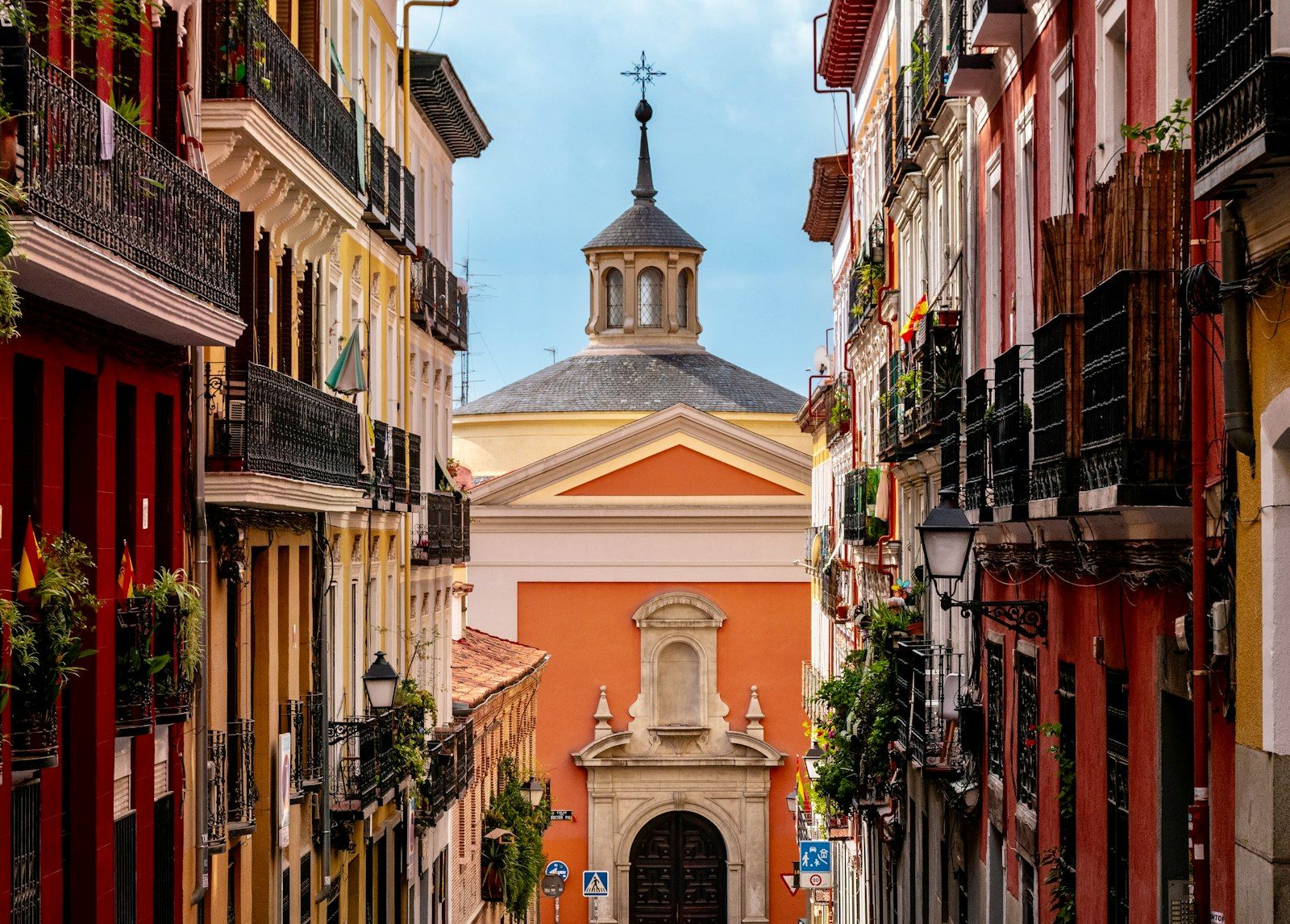
Madrid’s museum scene is wonderfully walkable, with the Prado, Reina Sofía, and Thyssen-Bornemisza leading the charge. Start at the Prado for Velázquez, Goya, and Bosch, then head to Reina Sofía for Picasso’s Guernica and bold modern art, ideally early or late for fewer crowds. Add Thyssen for a sweeping art-history journey, and slip in Sorolla or CaixaForum if time allows. With the right route, the city turns into one brilliant, art-packed stroll.
Key Highlights
- Prado, Reina Sofía, and Thyssen-Bornemisza anchor Madrid’s museum scene with world-class art from classical to modern.
- Prado highlights Velázquez, Goya, and Bosch, making it ideal for a first visit and short, focused viewing.
- Reina Sofía centers on Picasso’s Guernica and modern masters like Dalí, Miró, and Tàpies.
- Thyssen-Bornemisza offers a chronological art journey, showing European painting from medieval works to modern pieces.
- Nearby walks, smaller museums, and timed tickets make Madrid museum visits flexible, family-friendly, and easy to combine.
Why Madrid’s Museum Scene Stands Out
Madrid’s museum scene has a way of surprising people—in the best possible sense. It feels open, lively, and invigoratingly unpretentious, with galleries that invite wandering rather than obedience. Its artistic heritage runs deep, yet the city never acts stuck in the past; every visit can feel like a small act of discovery.
The real charm lies in variety and cultural significance. Major collections sit beside smaller spaces, bold contemporary rooms, and neighborhood gems, so there is always another corner to explore. That means freedom: no single route, no museum fatigue, just choices. One can linger over masterpieces, slip into a temporary show, or enjoy a quiet café break without guilt. For travelers who like culture with room to roam, Madrid delivers beautifully. The city’s famed Golden Triangle of Art brings together the Prado, Reina Sofía, and Thyssen-Bornemisza for an unmatched journey from medieval to modern masterpieces.
Start Your Madrid Museums Visit at the Prado
The Prado is the perfect place to start, with masterpieces by Velázquez, Goya, and El Greco setting a dazzling tone for the rest of Madrid’s museum scene. For a first visit, it helps to focus on a few iconic rooms and let the rest wait for another day—no need to race a marathon through art! From there, nearby museum walks make the whole area feel like a cultured little adventure, with beautiful streets, leafy squares, and plenty to keep the energy high. To keep the experience enjoyable for all ages, plan a short visit around a few highlights and aim to see them during free entry hours if timing allows.
Prado Highlights
A perfect first stop for a Madrid museums day is the Prado, where a single afternoon can feel like a crash course in European art history. Its Prado architecture gives the museum a dignified, almost regal calm, while the nearby Prado gardens add a breathable pause before the galleries pull visitors inside.
- Goya’s dark, brilliant canvases reward slow looking.
- Velázquez turns court life into pure visual drama.
- Bosch’s strange worlds spark curiosity and a grin.
- The sculpture halls and side rooms offer quieter treasures.
For a free-flowing visit, wander first, then zero in on a few masterpieces. That rhythm keeps the experience lively, not rushed, and leaves room for surprise—the best souvenir, honestly! After your visit, plan lunch around Madrid’s late dining rhythm and try a nearby menú del día between 2:00 PM and 4:00 PM for a classic local experience.
Best First Visit
Starting at the Prado makes perfect sense for a first Madrid museums day, because it sets the tone with big-name masterpieces and an easy-to-follow layout that won’t leave anyone spinning. A first-time visitor can move through Velázquez, Goya, and El Greco at a relaxed pace, letting art appreciation build naturally instead of feeling forced. The museum rewards curiosity, and it offers a smooth path into cultural immersion without demanding every detail be decoded like a secret map.
For visitors who want freedom, the Prado is ideal: drop in, linger where the paintings pull the eye, then keep the day open. The atmosphere feels grand yet welcoming, with quiet halls, glowing canvases, and just enough excitement to make time disappear. It is a brilliant launch point! Consider timing your visit around Prado free hours to experience world-class art without stretching your budget.
Nearby Museum Walks
Once the Prado visit wraps up, the smartest move is to keep walking, because Madrid’s museum triangle is wonderfully compact and easy to explore on foot. For travelers craving freedom, these artful strolls open cultural pathways packed with cafés, fountains, and surprises. Plan your route for cooler hours and bring comfortable shoes to make the most of the walk between stops.
- Head south to Reina Sofía for bold modern art and a cool, urban vibe.
- Drift east along leafy Paseo del Prado, where statues and shade make the walk feel grand.
- Pause at the Royal Botanical Garden for a quick reset and fragrant air.
- Finish near CaixaForum, where the vertical garden practically steals the show—yes, plants can flex too!
With comfortable shoes and a loose schedule, the city rewards wandering. Each step links masterpieces, street life, and an easygoing sense of discovery.
See the Prado’s Must-See Masterpieces
Which masterpieces should take pride of place at the Prado? The museum’s Prado highlights include Velázquez’s Las Meninas, Goya’s The Third of May 1808, and Bosch’s The Garden of Earthly Delights. Together, these icons anchor art history with drama, wit, and a little delicious weirdness.
A free-spirited visitor can drift from room to room, letting the Spanish masters set the pace. Start with Velázquez for royal intrigue, then move to Goya for raw emotion, and finish with Bosch, where imagination runs gloriously wild. Keep eyes open for Titian, Rubens, and El Greco too; each gallery feels like a different mood. No need to rush—this is a place for wandering, wondering, and savoring every brushstroke. Plan your visit around the Prado’s free museum hours to experience these masterpieces without stretching your budget.
Plan the Best Time for Prado Tickets
How should a visitor time Prado tickets for the smoothest experience? The best time is usually early morning on weekdays, when the crowds are lighter and the galleries feel wonderfully open. For more freedom, consider flexible ticket options that allow a calmer arrival, rather than a rigid slot that traps the day.
Early weekdays and flexible tickets make Prado visits feel calmer, lighter, and far more enjoyable.
- Buy online in advance to skip long lines.
- Aim for opening hours or late afternoon for easier entry.
- Check free-entry periods, but expect lively crowds.
- Choose timed ticket options if schedule control matters most.
If you're traveling on a budget, plan around the museum’s Prado free hours in the early evening to save money, but be prepared for bigger crowds.
A smart plan leaves room to wander, pause, and actually enjoy the art without feeling rushed. That freedom turns a museum visit into a relaxed Madrid moment, not a logistical puzzle!
Visit Reina Sofía for Modern Art
Reina Sofía is the place to see Madrid’s modern art pulse in full color, with key masterpieces that make Picasso, Dalí, and Miró feel surprisingly alive! A good visit starts with Guernica, then moves through bold, often provocative rooms that reward slow looking and a bit of curiosity. For a smoother experience, check the opening hours ahead of time, arrive early if possible, and give the museum enough time to breathe—rushing here is a bit like skipping the chorus of a great song. Its central location is easy to access via Madrid’s efficient metro system, making it simple to include in a full day of city exploration.
Key Modern Masterpieces
For modern art that truly packs a punch, the Museo Reina Sofía is the stop that Madrid locals point visitors toward again and again. Its galleries hold bold, restless works by iconic artists, and the mood feels electric, free, and unmistakably alive.
- Picasso’s Guernica hits with immense force, a mural of anguish and resistance.
- Dalí’s surreal visions twist reality until it feels deliciously strange.
- Miró adds bright, playful forms that seem to dance off the wall.
- Tapies brings raw texture and material grit, perfect for readers who crave something untamed.
Together, these modern art masterpieces create a route through Spain’s creative rebellion. The collection rewards slow looking, sharp curiosity, and a willingness to let the unexpected lead the way! After your visit, you can carry that energy into Madrid’s lively tapas culture, where creativity spills from galleries into buzzing neighborhood bars.
Visiting Tips And Hours
Timing makes all the difference at the Museo Reina Sofía, and a smart visit can turn a good stop into a great one. For real freedom, aim for early morning or late afternoon, when crowds ease and the galleries breathe. These timing strategies help visitors move through Picasso’s Guernica and the surrounding modern works with less stress and more space.
Ticket options are flexible, so choose what fits the day: online entry for speed, timed passes for control, or free-admission hours if patience is part of the plan. The museum sits near Atocha, easy to reach, and the nearby cafés make a fine reset between rooms. Check hours before going, because special exhibitions can shift the rhythm. A little planning goes far here! In summer, take advantage of air-conditioned museums during peak heat for a cooler, more comfortable visit.
Why Guernica Is Reina Sofía’s Must-See Work
Few works in Madrid hit as hard as Guernica, and that is exactly why it is the Reina Sofía’s unmissable centerpiece. Its artistic significance comes from Pablo Picasso’s fierce black-and-white composition, while its historical context keeps the room charged with memory and protest.
- Stand close, then step back; the scale lands differently.
- Trace the wounded horse, the screaming faces, the broken light.
- Let the silence do its work, because the painting already speaks loudly.
- Visit without rushing, so the message can settle in and stay free.
For travelers chasing freedom, this is not just art; it is a raw declaration against violence, still burning with force.
Explore Thyssen-Bornemisza for Art History
Thyssen-Bornemisza offers a sweeping journey through art history, with a collection that moves elegantly from medieval icons to bold modern works. Its galleries bring together masterpieces from different centuries, so visitors can see how styles, subjects, and techniques change over time in one remarkably well-curated space. For explorers, a smart route and a little patience go a long way—there is plenty to admire, and yes, the paintings are far more cooperative than the average Madrid taxi!
Collection Through The Centuries
If art history feels like a long road trip, this is one of the best places to stop and stretch, because the Thyssen-Bornemisza collection moves smoothly from medieval icons to modern masters in one beautifully arranged sweep. It gives travelers freedom to wander through art movements with ease, while clear historical context, keeps each room intelligible and lively.
- Start upstairs and let the timeline guide the pace.
- Pause where color, light, and fashion begin to loosen.
- Notice how each gallery shifts mood without drama.
- Finish with modern works that feel brisk, bold, and ready to go.
The museum’s layout makes comparison simple, so curious visitors can follow change, contrast, and surprise without feeling rushed. It is a smart, satisfying detour!
Masterpieces From Medieval To Modern
One of the best ways to understand Madrid’s art scene is to follow the Thyssen-Bornemisza’s greatest hits from medieval devotion to modern swagger. The museum moves like a time machine, showing medieval art beside Renaissance calm, baroque drama, and modern influences that feel daring and alive. In one room, gold halos shimmer; in another, brushstrokes loosen, colors brighten, and the whole story of European painting opens up.
This range makes the collection feel wonderfully free, not locked into one era or taste. Visitors can watch saints, nobles, landscapes, and city scenes change with history, as if art itself were stretching after a long nap. For anyone chasing art history with a sense of adventure, this place delivers big, clear, and thrilling lessons!
Visitor Tips For Explorers
A smart visit to the Thyssen-Bornemisza starts with a simple plan: arrive early, move slowly, and let the collection do the talking. This museum rewards free-roaming spirits with art appreciation that feels personal, not rushed, and with cultural insights, that connect centuries in one glance.
- Begin on the upper floors and drift downward; the chronology makes the story click.
- Pause at works that spark curiosity, then read labels for sharper context.
- Use quiet weekday hours for breathing room and better photos, no elbow duels.
- End in the café or garden area, where impressions settle nicely.
For explorers, the charm lies in seeing styles evolve across rooms, from gold-toned icons to bold modern canvases. Each turn opens a fresh mood, and that keeps the visit lively!
Explore Madrid’s Lesser-Known Museums
Madrid’s hidden museum scene rewards curious travelers with surprises at nearly every turn! Tucked beyond the famous giants, these artistic hidden gems and cultural treasures invite a freer, more intimate way to explore. The Sorolla Museum glows with sunlight, gardens, and the painter’s luminous canvases, while the Museum of Romanticism offers lace, salons, and a delightfully old-world mood. At the National Archaeological Museum, ancient objects tell Spain’s long story in crisp, modern rooms.
For a livelier detour, the CaixaForum pairs bold architecture with changing exhibitions that keep things fresh. Each stop feels manageable, unhurried, and wonderfully local. Visitors can wander, linger, and choose their own pace—no giant crowds, no museum fatigue, just room to breathe and discover!
Visit the Royal Collections Gallery
From the very first steps inside the Royal Collections Gallery, the scale of Spain’s royal past feels impressively alive! Visitors can wander through rooms where Royal Art gleams beside armor, tapestries, and ceremonial pieces, each object carrying real Cultural Significance. The experience feels spacious and free, as if history itself has opened the doors.
Spain’s royal past feels vividly alive, with art, armor, and ceremony shining in spacious, free-flowing rooms.
- Admire masterworks without rushing.
- Follow the gallery’s clear route for an easy visit.
- Pause at details that reveal power, taste, and craftsmanship.
- Enjoy the calm setting, perfect for thoughtful exploration.
For anyone craving a richer Madrid day, this stop delivers substance, sparkle, and a satisfying sense of discovery. It is not a dusty lesson; it is a vivid encounter with legacy, and yes, the royals knew how to make an entrance!
Step Into the Sorolla Museum
If the Royal Collections Gallery feels grand, the Sorolla Museum offers something more intimate and instantly charming. Housed in the painter’s former home in Chamberí, it invites visitors to wander through sunlit rooms, a lush garden, and galleries filled with radiant seaside scenes. Sorolla techniques shine in the quick brushwork, glowing whites, and bold daylight that make every canvas feel alive.
The museum also reveals Sorolla influences, from Velázquez’s elegance to the vivid Mediterranean light that seems to dance across the walls. It is a perfect stop for anyone craving beauty without the crowds. Take your time, breathe it in, and let Madrid slow down for a moment—this is art that feels wonderfully free!
Find Contemporary Art at CA2M
After the quiet elegance of the Sorolla Museum, CA2M in Móstoles throws the doors wide open to Madrid’s contemporary scene with a much bolder, more experimental energy. Here, visitors can roam through contemporary exhibitions that challenge привычные ideas and spotlight local artists who keep the city’s creative pulse alive. It feels free, fresh, and a little rebellious!
- Check the rotating galleries for cutting-edge installations.
- Give the video art rooms time; they reward patience.
- Look for talks and workshops that spark new perspectives.
- Wander the plaza nearby for a breather and people-watching.
For anyone craving art without velvet ropes or museum stiffness, CA2M delivers a lively, open-minded escape. It is the kind of place where curiosity gets to run wild.
Choose the Best Madrid Museums Pass
Madrid’s museum passes can feel a bit like picking the right tapas plate—there are several tempting options, and the best choice depends on appetite and timing. A quick comparison of pass options reveals which ones offer the best value, especially for travelers planning multiple stops in a single day or over a longer stay. By matching the pass to an itinerary, it becomes much easier to save money, skip hassle, and make the most of every gallery visit!
Pass Options Compared
Which Madrid museums pass makes the most sense depends on how many galleries are on the plan and how much standing in ticket lines sounds like a joyless hobby. For travelers chasing freedom, the smartest pass options are the ones that cut friction, not thrill budget spreadsheets.
- Compare value comparisons by counting museums, not promises.
- Check ticket types, guided tours, and whether family packages fit the crew.
- Look for seasonal discounts and easy online booking to keep the day loose.
- Review membership benefits only if repeat visits are likely.
Each pass has a different rhythm: some favor fast entry, others add extras, and a few simply let the city unfold with less fuss. That means more time for art, coffee, and a happy escape from queues!
Best Value Picks
A smart pass can turn a museum-heavy Madrid day from expensive and clunky into smooth and satisfying. The best value picks usually favor affordable admission at the Prado, Reina Sofía, and Thyssen, especially when a traveler wants freedom to wander without counting euros after every stop. A bundled ticket often saves more than buying singles, and it keeps the pace easy, no ticket-hunting drama.
Family discounts matter too, because a good pass can soften the cost for parents, teens, and curious little explorers. A local favorite is the combo that pairs major museums with flexible entry, since it lets visitors move with ease, linger longer, and still feel smart about spending. That is the sweet spot: freedom, culture, and fewer wallet headaches!
Choosing By Itinerary
If the day is packed with art and only a few hours to spare, the smartest Madrid museums pass depends on the route, not just the price tag. With sharp itinerary planning, a visitor can glide from the Prado’s masterpieces to Reina Sofía’s bold modern rooms without wasting a minute. Freedom matters, so museum preferences should steer the choice, whether the mood calls for Velázquez, Picasso, or a breezy mix of both.
- Start near Atocha for a tight south-center loop.
- Choose a pass with Prado and Reina Sofía if classics and modern shocks delight.
- Pick Thyssen for a calmer, all-around detour.
- Favor skip-the-line access when the schedule feels gloriously open.
Plan a One-Day Madrid Museums Route
To make the most of a one-day Madrid museum route, it helps to start early and keep the plan tight, because the city’s best collections sit surprisingly close together. A smart loop can begin at the Prado, where masterworks reward slow looking and real art appreciation, then drift toward Reina Sofía for modern shock and energy. From there, a short walk leads to Retiro’s edges, perfect for a coffee pause before resuming with the Thyssen if time and appetite remain. This compact path offers rich cultural immersion without feeling trapped by schedules—freedom matters, after all! The trick is to move with purpose, linger where the room sparks, and skip anything that feels like museum homework. Madrid pays back curiosity generously.
Build a Two-Day Madrid Museums Itinerary
Two days in Madrid open up the museums in a way one rushed afternoon never can, and the city suddenly feels less like a checklist and more like a very well-curated adventure. Day one can center on the Prado and nearby Thyssen, with time left for a café pause and a stroll through Retiro. Day two can lean modern at Reina Sofía, then branch toward smaller galleries or rotating art events.
- Start early to beat the crowds.
- Book timed entry and keep plans loose.
- Mix masterpieces with a long lunch—freedom matters!
- Leave room for family activities, like easy museum courtyards and short scenic walks.
That pace keeps energy high, choices open, and Madrid delightfully yours.
Enjoy Madrid Museums With Kids
Madrid can be wonderfully kid-friendly, and the city’s museums know how to keep young visitors curious without wearing them out. The Prado, Reina Sofía, and CaixaForum all offer family friendly activities that make art feel like a shared adventure, not a lecture. Look for interactive exhibits, short workshops, and playful audio guides that let children move, point, and wonder aloud.
A smart route keeps things light: one major gallery, a park break, then a smaller stop with hands-on surprises. The nearby Retiro and El Rastro add fresh air and extra energy, perfect for little explorers! With strollers, snacks, and a flexible pace, families can enjoy masterpieces without meltdowns. Madrid rewards curiosity, and kids usually leave buzzing, not bored.
How to Save on Madrid Museum Tickets
Savvy visitors can trim museum costs in Madrid with a little planning and a few smart moves. Local insights help travelers roam freely, keeping more euros for tapas and the next gallery.
- Check free days and museum hours first; many major museums open their doors at certain times without charging a cent.
- Hunt online deals for discount tickets, and compare group rates, family passes, and student discounts before buying.
- Look into membership benefits if several visits are planned; they can pay off fast, especially with guided tours.
- Ask at the desk for seasonal promos and neighborhood tips, because locals often know where savings hide.
With a little hustle, art lovers can enjoy big masterpieces, crisp air, and a lighter bill—pure Madrid freedom!
Most Asked Questions
Which Madrid Museum Has the Best Café?
For café hunters, the Reina Sofía often shines like a bright compass on a free afternoon. Its café usually earns the best café reviews for relaxed seating, solid coffee, and easy people-watching, while visitor experiences praise the airy vibe after exploring the galleries. It feels less formal than some rivals, with room to breathe and linger. For a local-style break, that is hard to beat—especially if one wants art, espresso, and a little escape!
Are Madrid Museums Closed on Any Weekdays?
Yes, some Madrid museums close on weekdays, usually Monday, though museum hours vary by venue. A few also shift for holiday schedules, so it pays to check before heading out! For freedom-loving explorers, that means the city still offers plenty of art on other days, plus late openings and free-entry windows. A quick look online keeps plans smooth, so no one ends up staring at a locked door with a heroic espresso.
Can I Take Photos Inside Madrid Museums?
Yes—most Madrid museums allow photos in some areas, but the photo policy varies, and flash is often banned. The theory that every gallery is camera-friendly proves false, sadly, yet that rule protects art and keeps the mood relaxed. Smart museum etiquette means checking signs, asking staff, and enjoying the moment too. Freedom still exists here: snap allowed spaces, then wander on, eyes wide, heart happy, and no flash policing!
Which Museums Are Best for Temporary Exhibitions?
For temporary exhibitions, it is hard to beat the CaixaForum and the Museo Thyssen-Bornemisza; both move fast with fresh temporary exhibitions and sharp art trends. Reina Sofía also surprises with bold contemporary shows, while the Fundación Canal often delivers playful, offbeat events. A local friend would say: check schedules early, grab tickets online, and go hungry for surprise! These spots keep the city feeling lively, never dusty.
Do Madrid Museums Have Wheelchair Access?
Yes, most Madrid museums offer wheelchair access and solid accessibility features, so freedom to roam is very real here! Main sites like the Prado, Reina Sofía, and Thyssen usually include ramps, elevators, adapted restrooms, and step-free routes. Some older rooms can be trickier, though, so checking ahead is wise. A quick call or website visit can save hassle and keep the day smooth, easy, and delightfully open.