
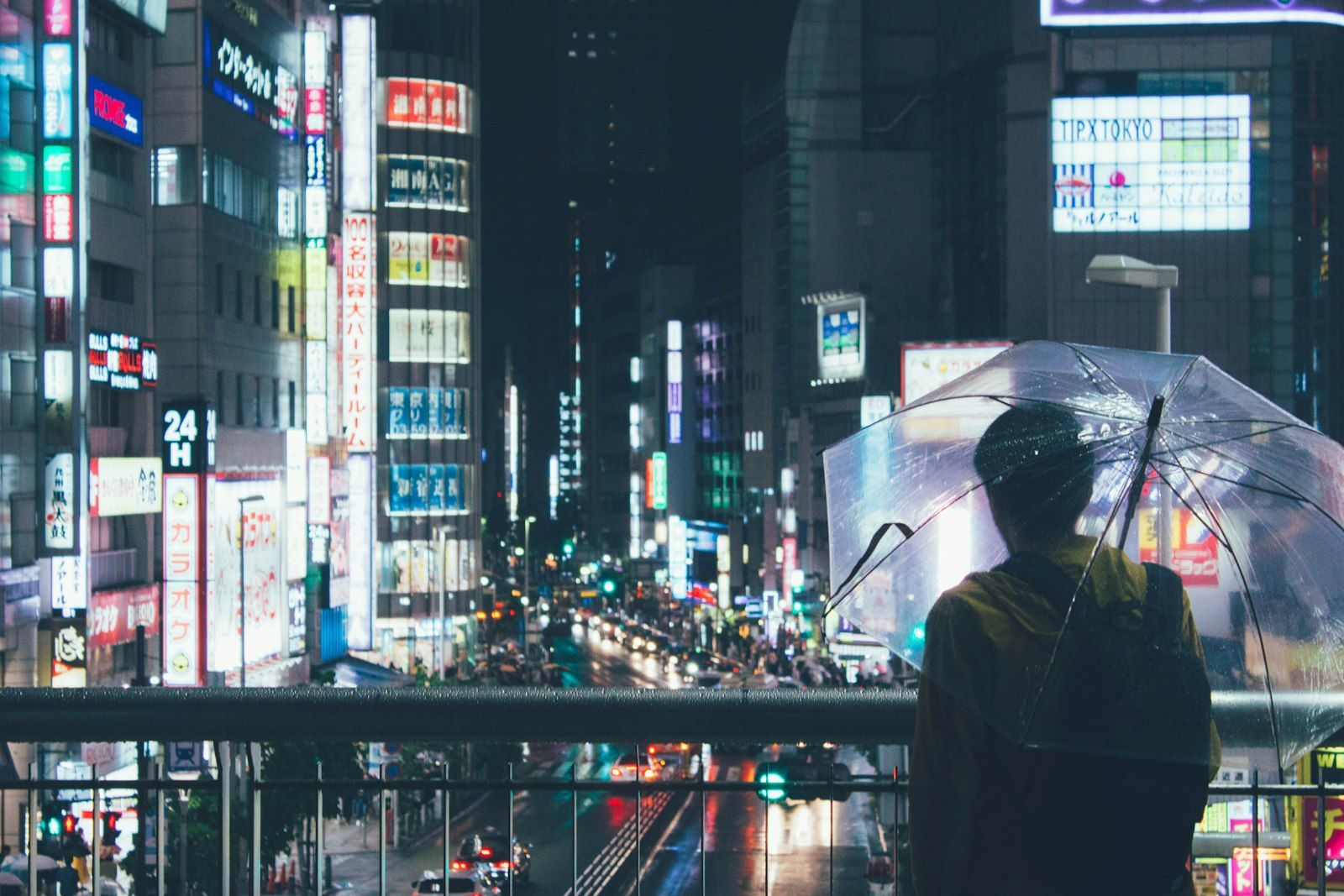
Tokyo shines brightest before the crowds roll in. The sweet spot is 5:30 to 7:00 a.m., when travelers can pair a quiet temple like Senso-ji or Meiji Shrine with a sunrise stop at Odaiba, Shibuya Sky, or even Mount Takao, then reward themselves with sushi at Toyosu or snacks at Tsukiji. Yanaka, Harajuku, and Shibuya also feel wonderfully calm at dawn—almost suspiciously peaceful—and the smartest routes keep breakfast and train access close by.
Key Highlights
- Start between 5:30 and 7:00 a.m., pairing a walkable neighborhood, one cultural stop, and breakfast near a station.
- Watch sunrise from Odaiba, Mount Takao, Shibuya Sky, or Tokyo Skytree for wide views and lighter crowds.
- Visit Senso-ji, Meiji Shrine, Zojo-ji, or Gotoku-ji early for quiet paths, rituals, and a more reflective atmosphere.
- Stroll peaceful green spaces like Shinjuku Gyoen, Yoyogi Park, or Hibiya Park before commuters and tour groups arrive.
- Eat early at Tsukiji or Toyosu, then grab coffee in Kiyosumi-Shirakawa or Yanaka for a calm local start.
Why Tokyo Is Best in the Early Morning
Why does Tokyo feel almost magical at dawn? The city loosens its grip, and for a brief, exhilarating window, streets, shrines, and station lanes belong to whoever wants to wander. In that hush, Tokyo reveals a freer self: soft light on tiled roofs, temple bells in the distance, and the clean scent of rain or broth drifting from early kitchens. Even places like Ueno Park feel especially serene at sunrise, with quiet paths and still ponds before the crowds arrive.
Morning strips away distraction and lets cultural experiences breathe. Neighborhoods like Asakusa, Yanaka, and Tsukiji show local traditions with uncommon clarity, before tour groups and commuter tides rewrite the mood. A visitor notices gardeners sweeping temple paths, shopkeepers setting noren curtains, runners tracing the Sumida, all small rituals that make the metropolis feel human. Even the neon seems gentler then, as if Tokyo, just briefly, has exhaled for everyone.
How Early Should You Start in Tokyo?
To catch that rare, hushed version of the city, most travelers should aim to step outside between 5:30 and 7:00 a.m. In summer, leaning earlier feels smartest, since sunrise comes fast and sidewalks begin stirring before seven. In cooler months, closer to 6:30 often works beautifully, offering that wide-open, unclaimed feeling many visitors crave. Early wanderers can slip through Yanaka streets where wooden lanes and cat alleys feel especially still before the day begins.
Tokyo rewards early risers with calm trains, softer light, and streets that feel briefly unsupervised—in the best way. Those hoping to glimpse daily life should remember local customs: people move quietly, shops open gradually, and temple grounds may welcome respectful visitors before commercial areas fully wake. Starting too late, especially after 8:00, means bumping into commuter intensity and tour groups. For anyone chasing freedom, dawn is the sweet spot, and Tokyo absolutely delivers before the city fully clears its throat.
How to Build a Tokyo Early Morning Route
How does a great Tokyo dawn route come together? It starts with flexible timing, not rigid checklists. The smartest Tokyo routes pair efficient transit with room to wander, letting travelers sample Local favorites, quiet Morning rituals, and Scenic paths before the city fully stretches awake.
A practical route usually links one neighborhood anchor, one cultural stop, and one food reward. Think walkable clusters: temple lanes for Local traditions, market edges for Cultural highlights, and side streets where Hidden gems appear without fanfare. Then add reliable Breakfast spots near a station, so momentum never stalls. The best plans leave breathing room for detours, because freedom is the point, and Tokyo rewards curiosity generously. Even a wrong turn can produce a perfect alley, excellent coffee, or a tiny shrine with no audience at all. Starting near stations served by major lines keeps transfers simple and the route flowing smoothly.
Best Tokyo Sunrise Spots
Tokyo offers several standout places to catch first light, each with a distinct early-morning mood. Mount Takao rewards the effort with broad, crisp views, Odaiba Waterfront brings a calm dawn glow over the bay, and Tokyo Skytree frames sunrise with a striking urban panorama. These spots set the tone for an unforgettable start to the day! For a more urban sunrise, the Shibuya Sky observation deck delivers sweeping 360-degree views over the city as it slowly wakes.
Mount Takao Views
Few sunrise missions around Tokyo feel as rewarding as Mount Takao, where early risers trade city noise for cool forest air and a wide, glowing panorama over western Tokyo. Before most commuters even find coffee, the summit already offers freedom: open sky, drifting mist, and a horizon that seems to loosen every schedule.
The appeal lies in choice. Several mount takao hiking trails let visitors shape the morning, from paved routes to quieter forest paths where cedar scent hangs in the air. Reaching the top by dawn rewards them with classic mount takao scenic views, and on especially clear mornings, even Mount Fuji appears like a perfectly timed encore. Winter mornings in particular can offer crisp air and exceptional Mount Fuji views thanks to clearer skies. A cable car helps if legs are still negotiating terms. For anyone craving space, movement, and a sunrise that feels genuinely earned, Takao delivers every time.
Odaiba Waterfront Dawn
A sunrise at Odaiba has a completely different energy: broad sky, salty breeze, and the Rainbow Bridge slowly lighting up like the city is stretching awake. Along the Tokyo waterfront, the scene feels open, unhurried, and quietly liberating, perfect for travelers chasing peaceful mornings before the city clicks into gear.
To make the most of an Odaiba sunrise, a visitor should keep it simple and move lightly:
- Arrive before first light for wide bay colors and fewer joggers.
- Walk the decks near Seaside Park for crisp views and drifting reflections.
- Bring coffee, layers, and these early riser tips: check wind, trains, and sunrise time.
There is freedom here, plain and immediate. The air tastes cleaner, the paths feel wide, and even a short stroll delivers that rare Tokyo exhale. For a contrasting green escape later in the morning, Yoyogi Park offers a historic, spacious setting once used as the 1964 Olympic Village.
Tokyo Skytree Sunrise
Steel and sunrise make a sharp pair at Skytree, where the city’s tallest silhouette catches the first light and turns the Sumida side of town into a glowing stage set. From the river walks near Asakusa or the bridges around Oshiage, an early visitor gets wide skies, fewer elbows, and that rare Tokyo feeling of room to breathe. It is a fine hour for wandering freely.
For Skytree reflections, the canals and polished surfaces around Solamachi offer easy angles before shops wake up. Anyone chasing sunrise photography should arrive 30 to 40 minutes early, when indigo still hangs over the skyline and the tower lights fade slowly. A coffee from a convenience store helps, naturally. If clouds cooperate, the whole scene shifts from silver to peach to gold, fast and theatrical. From the Tembo Deck at 350 meters, the sunrise reveals a full 360-degree panorama of Tokyo as the city slowly comes to life.
Tokyo Observation Decks Open in the Morning
When the city is just beginning to glow, Tokyo’s morning observation decks offer a quieter, sharper view of the skyline before the crowds and haze roll in. For travelers chasing breathing room and wide-open perspective, these elevated platforms deliver freedom in every direction, with morning views stretching from glass towers to distant mountains on clear days.
- Shibuya Sky rewards early arrivals with crisp light and fewer photo lines.
- Tokyo Metropolitan Government Building remains a classic, budget-friendly choice.
- Roppongi Hills Mori Tower pairs sweeping vistas with a stylish, central location.
Each site gives the city a different personality, so it helps to choose based on neighborhood plans and opening hours. Going early means cooler air, easier movement, and that delicious sense of Tokyo briefly belonging only to the bold. On especially clear mornings, you might even catch Mt. Fuji visibility from higher decks if you time your visit with favorable forecasts and western-facing views.
Best Tokyo Temples Before the Crowds
From sky-high viewpoints, the morning route gets even better at ground level, where Tokyo’s temples feel hushed, fragrant, and wonderfully unhurried before tour groups arrive. Senso-ji is easiest before 8 a.m., when incense curls softly and the main hall finally breathes. As Tokyo's oldest temple, Sensō-ji’s early hours offer a rare glimpse into centuries of quiet devotion before the crowds return. Zojo-ji offers broad paths, temple bells, and a striking contrast with Tokyo Tower glowing behind it.
For travelers chasing flexibility, Gotoku-ji and Gokoku-ji reward early starts with hidden temple treasures, quiet corners, and photo opportunities minus the elbowing. Nezu’s nearby temple lanes also feel invigoratingly loose, though the focus stays on Buddhist spaces, not ritual spectacle. Many open grounds at sunrise, making it easy to wander at one’s own pace, pause in serene temple gardens, and enjoy a side of stillness before the city fully switches on around you.
Best Tokyo Shrines at Dawn
At dawn, Tokyo’s shrines reveal a quieter, more luminous side of the city, when gravel paths, torii gates, and cool morning air set an almost cinematic mood. Meiji Shrine makes a superb sunrise walk, while Senso-ji before daybreak offers a rare chance to see its iconic grounds in near silence, minus the usual daytime bustle. Together, these early visits show how the city’s spiritual landmarks can feel both serene and unforgettable before breakfast. At Meiji Jingu, the expansive cultivated woodland of over 100,000 trees deepens the sense of calm as the city slowly wakes beyond its forested grounds.
Meiji Shrine Sunrise Walk
Although central Tokyo wakes up fast, Meiji Shrine holds onto a rare pocket of calm just after sunrise, making it one of the best shrine walks for early risers. The forested approach feels liberating, as gravel crunches softly and the city loosens its grip. Meiji Shrine tranquility settles in quickly here, inviting Morning meditation without fuss or formality.
To make the most of this free-spirited hour, it helps to:
- enter from Harajuku or Yoyogi for the longest, quietest tree-lined approach
- pause at the torii gates and sake barrels for photos before tour groups appear
- linger at the main hall, breathe deeply, and follow the respectful rhythm of local visitors
Senso-ji Before Daybreak
Where Meiji Shrine offers hushed forest calm, Senso-ji before daybreak delivers a different kind of magic: broad temple grounds, lantern-lit gates, and a rare stillness in one of Tokyo’s busiest districts. Here, Asakusa feels briefly untethered, almost secret, before souvenir stalls yawn awake and tour groups roll in.
Early risers can wander Nakamise’s closed shutters, then step toward Kaminarimon and the main hall as incense hangs in cool air. This is the ideal window for Senso ji photography, with soft light, empty paths, and none of the usual elbow dodging. Visitors observing Senso ji rituals will notice locals offering quiet prayers, cleansing hands, and moving with calm purpose. It is simple, spacious, and freeing, a chance to meet Tokyo without the noise, rush, or selfie-stick choreography.
Best Tokyo Parks for a Quiet Morning Walk
How better to greet Tokyo’s early hush than with a slow lap through one of its green, dew-bright parks? In these open spaces, the city feels unlatched, giving early risers room for serene strolls and quiet reflections before commuter energy kicks in. It is freedom, plain and simple!
- Shinjuku Gyoen offers broad lawns, formal gardens, and soft birdsong at opening.
- Yoyogi Park suits loose wandering, with tree-lined paths and ample breathing room.
- Hibiya Park blends ponds, flowerbeds, and benches ideal for lingering without rush.
A visitor wanting calm should arrive just after sunrise, when air feels cooler and foot traffic stays mercifully thin. Coffee in hand helps, naturally. These parks reward unhurried pacing, attentive ears, and a willingness to let Tokyo reveal its gentler, more spacious morning face.
Best Tokyo Neighborhoods to Explore Early
Why not trade the park paths for city streets while Tokyo is still stretching awake? Early hours give neighborhoods room to breathe, and that freedom feels intoxicating. Shibuya Crossing is almost calm, Harajuku Streets look surprisingly gentle, and Daikanyama Boutiques frame a polished, slow-start morning.
For old-meets-new contrast, the Yanaka District and Asakusa Traditions deliver lanterns, temple lanes, and quiet corners before footsteps multiply. Ueno Museums sit nearby, while Akihabara Electronics flashes awake with quirky energy.
Those chasing independent spirit should follow Shimokitazawa Vibes and Koenji Culture, where side streets feel loose, creative, and gloriously unbothered. Kichijoji Parks add leafy calm, Nakano Shopping promises retro treasure-hunting later, and Roppongi Art offers sleek architecture with sunrise swagger. Tokyo, before breakfast, practically hands over the keys.
Tokyo Markets Worth Visiting Early
Early mornings reveal a different side of Tokyo’s market culture, where Tsukiji Outer Market hums with sushi counters, seafood vendors, and the sharp, salty energy of the day’s first rush. Toyosu’s tuna auctions offer a more structured spectacle, while Ameya-Yokocho’s morning stalls bring a lively, street-level mix of bargain finds and old-school atmosphere. Together, these markets show why an early start pays off in Tokyo—better food, brighter scenes, and far fewer crowds.
Tsukiji Outer Market
Just after sunrise, Tsukiji Outer Market comes alive with the clatter of shutters, the hiss of grills, and the briny aroma of just-cut seafood, making it one of Tokyo’s most rewarding early stops. Rooted in rich Tsukiji history, this maze of lanes still feels gloriously independent, inviting wanderers to roam freely, snack boldly, and linger.
- Sample Seafood specialties like tamagoyaki, uni, and grilled scallops.
- Notice the Market atmosphere: brisk vendors, steaming stalls, lively chatter.
- Browse Fresh produce, pickles, knives, and seaweed for practical souvenirs.
Arriving before 8 a.m. lets visitors move easily and eat without lines. The experience suits anyone craving Tokyo without velvet ropes—just honest flavors, quick smiles, and the thrill of discovery. It is energetic, unpolished, and deeply satisfying, like breakfast with a pulse.
Toyosu Tuna Auctions
Precision defines the Toyosu Tuna Auctions, where enormous bluefin glide across the floor under bright lights and the whole spectacle runs with almost surgical efficiency. From the public viewing deck, visitors watch buyers inspect tails, flashlights bouncing off silver skin, then hear the rapid-fire bids begin. It is an Auction experience that feels thrilling yet controlled, perfect for travelers who like their mornings unscripted but their logistics easy.
Arriving early matters; entry procedures are orderly, and the best views disappear fast. Afterward, the market’s upper walkways and nearby breakfast counters make a smooth follow-up, without trapping anyone in a rigid itinerary. There is also a quieter lesson beneath the drama: Tuna sustainability now shapes sourcing conversations, reminding observers that freedom tastes better when the ocean still has a future. Even the forklifts seem caffeinated!
Ameya-Yokocho Morning Stalls
Why head to Ameya-Yokocho at daybreak? Because the market breathes easier then, before bargain hunters and tour groups flood the lanes. In that cooler, freer hour, visitors can roam beneath railway tracks, catch shutters rattling open, and sample Ameya Yokocho Delights with room to linger.
- Arrive near Ueno Station around 8 a.m. for calm aisles and first-pick produce.
- Follow the aroma of grilled seafood, tamagoyaki, and coffee for easy Street Food Exploration.
- Carry cash, walk slowly, and let curiosity steer the route; this place rewards detours.
Early stalls reveal Tokyo’s scrappier charm: fishmongers calling prices, fruit sellers stacking color, snack counters sizzling awake. It feels unpolished, lively, and wonderfully unscripted, like the city before it straightens its collar. Even the crows seem entrepreneurial.
Best Fish Market Breakfasts in Tokyo
Few Tokyo breakfasts feel as electric as a market meal, when the city is still rubbing its eyes and the first trays of tuna, uni, and gleaming shellfish are already changing hands. At Toyosu Market, visitors find a sushi breakfast that feels gloriously unbound: immaculate nigiri, steaming miso soup, and counters already humming before sunrise. The market atmosphere is brisk, salty, and alive, perfect for anyone who prefers mornings with momentum.
Tsukiji Outer Market remains the easier wander, with tiny shops serving kaisendon, tamagoyaki skewers, and grilled scallops that disappear in two happy bites. Lines form early, so arriving before 7 a.m. buys more freedom and fewer elbows. Sensible shoes help; tuna may be elegant, but market floors are not. For Tokyo’s boldest dawn appetite, this is the move.
Best Tokyo Cafes for Early Coffee
Where better to meet Tokyo’s gentler dawn than over a serious cup of coffee, while train platforms yawn awake and side streets still feel half-secret? Early risers find real freedom here: slip into neighborhood roasteries with cozy ambiance, chase artisanal brews before commute-hour bustle, and claim those quiet morning vibes while the city stretches.
- Seek local favorites near stations for quick, excellent pours.
- Try hidden gems opening at sunrise, often with seasonal specials.
- Add smart pastry pairings, but keep the focus on coffee.
In districts like Kiyosumi-Shirakawa, Yanaka, and backstreet Shibuya, small cafes double as community spots, each with its own rhythm. One barista may serve a bright Ethiopian roast; another leans dark and chocolatey. That variety is the joy—Tokyo practically hands the wanderer a passport in a paper cup daily.
Where to Eat a Classic Tokyo Breakfast
Tokyo’s classic breakfast scene starts strong, from historic kissaten serving tidy morning sets of toast, eggs, and coffee to Tsukiji counters turning out ultra-fresh seafood bowls at daybreak. There is also a polished side to the city’s early meal culture, with hotel buffets that pair Japanese staples and Western favorites in one generous spread. For anyone out early and hungry, these three styles offer a sharp, satisfying introduction to how Tokyo likes to begin the day.
Historic Kissaten Morning Sets
If an early start calls for something more atmospheric than a convenience-store snack, a historic kissaten delivers the classic Tokyo answer: thick-cut toast, softly boiled eggs, and hot coffee served in a room that seems pleasantly unchanged for decades. These old cafés offer historic ambiance, traditional decor, artisanal coffee, and occasionally local pastries, all wrapped in nostalgic vibes and a cozy atmosphere.
- Arrive around opening for the calmest seats and the freshest morning set.
- Look for hidden gems near older shopping streets or train stations.
- Notice the cultural significance in the details: porcelain cups, handwritten menus, velvet chairs.
For travelers who like mornings with a little freedom, a kissaten gives Tokyo at its gentlest. Nothing feels rushed; even the butter melts slowly. It is breakfast with character, not just caffeine.
Tsukiji Breakfast Counters
For a breakfast with more market energy and less velvet-chair nostalgia, Tsukiji’s standing counters step in beautifully. Here, early risers drift between compact stalls, following the clean scent of brine and rice toward a sushi breakfast that feels gloriously unboxed, quick, and deeply Tokyo.
These counters celebrate local ingredients and seafood freshness with almost theatrical confidence: fatty tuna, sweet tamagoyaki, miso soup, and rice bowls served inches from the action. It is a cultural experience rooted in traditional dining, yet never stiff; diners eat fast, stand close, and move on, liberated for the rest of the morning. For travelers chasing a culinary adventure rather than ceremony, Tsukiji delivers. The market atmosphere hums, knives tap, vendors call, and breakfast becomes both fuel and a small, memorable performance before the city fully wakes.
Hotel Buffets Worth Trying
A surprising number of Tokyo’s best early breakfasts hide in plain sight upstairs, inside major hotels where polished buffet rooms quietly serve one of the city’s most satisfying classic morning spreads. For travelers who like freedom, these rooms offer calm seats, broad choices, and no need to sprint between counters before workday crowds roll in.
- Seek buffets at hotels in Marunouchi, Shinjuku, and Shiba for polished Japanese breakfasts with grilled fish, rice, pickles, miso soup, and airy omelets.
- Arrive soon after opening; the atmosphere feels unhurried, and window views add subtle luxury experiences without demanding a formal commitment.
- Choose places mixing classic washoku with breads, fruit, and unique cuisines, ideal for travelers wanting variety before roaming Tokyo all day.
It is an easy indulgence, delicious, efficient, and pleasantly civilized.
Best Tokyo Photo Spots Before the Crowds
Where else does Tokyo feel this cinematic than in the blue hush before breakfast, when famous backdrops look almost staged just for the camera? At Meiji Jingu’s forested approach, early risers catch soft light filtering through torii gates, while Senso-ji’s Kaminarimon stands surprisingly serene, minus the usual selfie traffic. Freedom-loving photographers can move fast, frame boldly, and actually hear their own footsteps.
Shibuya Crossing from Magnet’s lookout turns sleek and strangely calm at dawn, and Tokyo Station’s red-brick facade glows beautifully before commuters swarm. For hidden gems, Yanaka’s backstreets offer old Tokyo texture, cats, bicycles, and sleepy storefronts that seem to pose on purpose. Odaiba’s seaside boardwalk also delivers wide skyline shots with breathing room, because nothing kills a perfect image faster than someone else’s elbow.
Best Tokyo Early Morning Plans for Rain
Even when Tokyo wakes under a curtain of rain, the city still serves up brilliant early-morning options without forcing anyone to slog around in soaked shoes. Smart travelers can still roam freely, choosing rainy activities that feel energizing rather than limiting. Tokyo Station, department store food halls, and serene hotel lounges all offer dry, stylish starts.
- Browse Tokyo Station’s underground passages for coffee, pastries, and people-watching without weather drama.
- Slip into indoor attractions like teamLab Planets’ early slots or a quiet museum opening for meditative calm.
- Claim a window seat in Ginza or Marunouchi, order breakfast, and watch umbrellas stream past like choreography.
A rainy morning here need not feel compromised. It can feel liberated, unhurried, and quietly cinematic—Tokyo showing off a softer, glossier face before the crowds pile in.
Tokyo Early Morning Ideas With Kids
How pleasantly Tokyo can surprise families before 9 a.m.—streets are calmer, train platforms less chaotic, and kid-friendly adventures feel far more manageable. Parents seeking flexibility often find parks, shrine grounds, and broad pedestrian areas ideal for easy starts, with fewer distractions and more room for spontaneous detours.
Ueno Park works beautifully for gentle stroller walks, quick playground time, and breakfast from nearby bakeries. Meiji Jingu’s forested paths offer a peaceful reset, while Sumida River promenades invite scooter rides and wide-open views. These are classic family friendly activities that fit relaxed morning routines without feeling scheduled to death.
For extra fun, a convenience-store picnic in a quiet garden can feel oddly luxurious. Tokyo, early and unhurried, lets families roam, snack, pause, and improvise—exactly the kind of freedom many travelers want most.
How to Use Tokyo Trains Early Morning
Early starts in Tokyo run smoothly when travelers check first train timetables the night before, since departure times can vary by line and station. IC cards such as Suica or Pasmo usually make the process faster than paper tickets, especially when sleepy platforms begin to stir and ticket machines attract small queues. Quiet routes, low voices, and simple train etiquette help the morning ride feel easy and efficient—Tokyo likes its dawn calm, and the regulars clearly do too!
First Train Timetables
One smart move for dawn explorers is checking the first-train timetable the night before, because Tokyo’s rail network starts surprisingly early but not uniformly across every line. That tiny habit reveals freer mornings, letting travelers glide toward markets, shrines, or viewpoints before the city fully yawns awake. For first train experiences, a few minutes of planning makes all the difference.
- Compare weekday, weekend, and holiday departures, since times often shift.
- Check transfer stations carefully; one late connection can derail an otherwise glorious sunrise plan.
- Screenshot route details in advance for easier guiding schedules underground.
Some lines begin just after 5:00 a.m., while others lag behind, so confidence comes from specifics, not guesswork. A savvy visitor treats timetables like a passport to quiet platforms, cool air, and Tokyo at its most liberating—without sprinting like a cartoon commuter.
IC Cards And Tickets
With first departures mapped out, the next smart step is sorting payment before those station gates blink open at dawn. In Tokyo, the easiest move is usually a rechargeable Suica or Pasmo, because tapping through platforms beats fumbling for coins while half the city still sleeps. That flexibility is exactly where IC card benefits shine.
Visitors wanting maximum freedom can load value at machines, convenience stores, or airport stations, then roam across most trains, subways, and buses without recalculating every fare. Ticket purchasing still works well for one-off rides, especially on fixed plans, and machines offer English menus that make the process painless. For very early departures, having an IC card ready saves precious minutes and sidesteps lineups. Less time at machines, more time chasing sunrise views, hot coffee, and empty streets.
Quiet Routes And Etiquette
A few simple habits make Tokyo’s first trains feel smooth, quiet, and surprisingly pleasant. Early riders gain a rare sense of freedom: stations breathe easier, platforms stay orderly, and the city glides awake beyond quiet streets. Cars are calmer near the front or middle, especially before office rush begins.
- Queue behind platform markings and let passengers exit first.
- Keep calls silent, backpacks slim, and voices low.
- Choose local lines early for scenic neighborhoods and easier transfers.
This is where respectful behavior matters most. Tokyo rewards calm movement, quick boarding, and awareness of shared space. A traveler who stands aside, taps through gates efficiently, and avoids blocking doors will blend in beautifully. Think of it as urban choreography—simple, elegant, and blissfully low-stress, even before coffee. Freedom starts with flow.
What to Wear on Tokyo Mornings?
Because Tokyo mornings can swing from crisp and breezy to warm and humid in just a few hours, the smartest move is a light, easy-to-peel-off layer setup. That usually means layered clothing built around breathable fabrics, like a cotton tee under a thin jacket or overshirt, giving travelers freedom to roam without feeling boxed in by the forecast.
Comfortable footwear matters just as much, especially for station stairs, temple paths, and long neighborhood walks before breakfast. Weather considerations also call for versatile accessories: a compact umbrella, sunglasses, or a scarf that can disappear into a bag fast. When visiting shrines or traditional districts, modest cultural attire works best—nothing stiff, just neat, respectful pieces that still feel easygoing. Tokyo rewards practical style, and mornings are when that effortless balance really shines brightly.
Tokyo Early Morning Mistakes to Avoid
Why do some Tokyo mornings feel magical while others turn into a rushed blur? Often, the difference comes down to timing, awareness, and avoiding common tourist mistakes. A traveler who wants freedom should move lightly, read the room, and respect early morning etiquette, especially in quiet neighborhoods, shrines, and commuter-heavy stations.
- Speaking loudly on trains can shatter the calm; Tokyo mornings run on soft voices and swift movement.
- Arriving too late for markets, temple grounds, or sunrise viewpoints means missing their serene, uncrowded charm.
- Blocking sidewalks for photos, even briefly, frustrates locals and slows everyone’s rhythm.
The smartest visitors stay flexible, carry cash, and double-check opening hours. Tokyo rewards those who glide, not those who stomp around like confused giants before coffee! Even maps help.
Most Asked Questions
Are Public Restrooms Easy to Find Early in Tokyo?
Yes—when nature whispers at dawn, public restrooms are generally easy to find in Tokyo. One finds strong restroom accessibility at major stations, convenience stores, parks, and many 24-hour venues, though some smaller facilities open later. Restroom cleanliness is usually excellent, a quiet civic pride. Early wanderers gain the most freedom by noting station maps, carrying tissues just in case, and using department store or hotel lobby facilities when nearby options seem elusive.
Can I Use Luggage Lockers Before Most Attractions Open?
Yes—luggage lockers are usually available before most attractions open, especially at major train stations like Shinjuku, Tokyo, and Ueno. A traveler chasing early morning sightseeing can often secure flexible luggage storage options near station gates, inside malls, or through app-booked services. Availability varies by station and size, so arriving early helps. It is a smart freedom move: stash bags, roam light, and skip the awkward suitcase shuffle before breakfast.
Do Convenience Stores Accept Foreign Credit Cards at Dawn?
Yes—the theory that dawn shuts out foreign cards is mostly false. Most major convenience stores in Tokyo, especially 7-Eleven, FamilyMart, and Lawson, process international transactions around the clock, giving travelers easy freedom to grab coffee, onigiri, or cash. Still, card compatibility varies by issuer, network, and chip settings, so a backup card is wise. If a terminal balks, trying contactless or another branch usually solves the mystery quickly.
Is Tipping Expected for Early Morning Meals in Tokyo?
Tipping is generally not expected for early morning meals in Tokyo. In local tipping customs, service is built into the price, so leaving cash on the table may cause confusion rather than gratitude. Standard breakfast etiquette favors a polite thank you, orderly payment at the register, and respectful, unhurried behavior. Travelers can relax, enjoy miso soup and grilled fish at dawn, and keep their yen for the next coffee instead.
How Reliable Is Mobile Data Coverage During Early Tokyo Walks?
Mobile data coverage during early Tokyo walks is generally very reliable. Across central districts like Shinjuku, Ginza, Asakusa, and around major stations, mobile network reliability stays strong even before sunrise, letting travelers roam freely without fuss. A quick data speed comparison shows Japan’s top carriers handle maps, messaging, and uploads smoothly, though subway tunnels can briefly wobble. Pocket Wi‑Fi or eSIM backup adds extra peace of mind for adventurous wanderers.